Dr. Marlène Ngansop, our Visiting Associate Professor, gave a lecture at Kyoto University during the 23rd KU‑TUFS and 145th KUASS. She visited Kyoto and Shiga from July 16 to 19, engaging in academic exchange and delivering her invited talk as part of the KUASS program.
Dr. Marlène Ngansop visited RIHN, Research Institute for Humanity and Nature and discussed the Cameroon research plan with Project Leader Dr. Hoang and Associate Professor Oishi as part of the collaborative project on ethical economies.
------------------------------------------------------------------
The report written by our Visiting Associate Professor Marlène is available here.
We hope you will take a moment to read it.
Kyoto Field Visit Report (July 16-19)by Dr.MarlèneNgansop
Professor Takanori Oishi and I stayed in Kyoto Prefecture from July 16 to 19 as part of the mission activities.
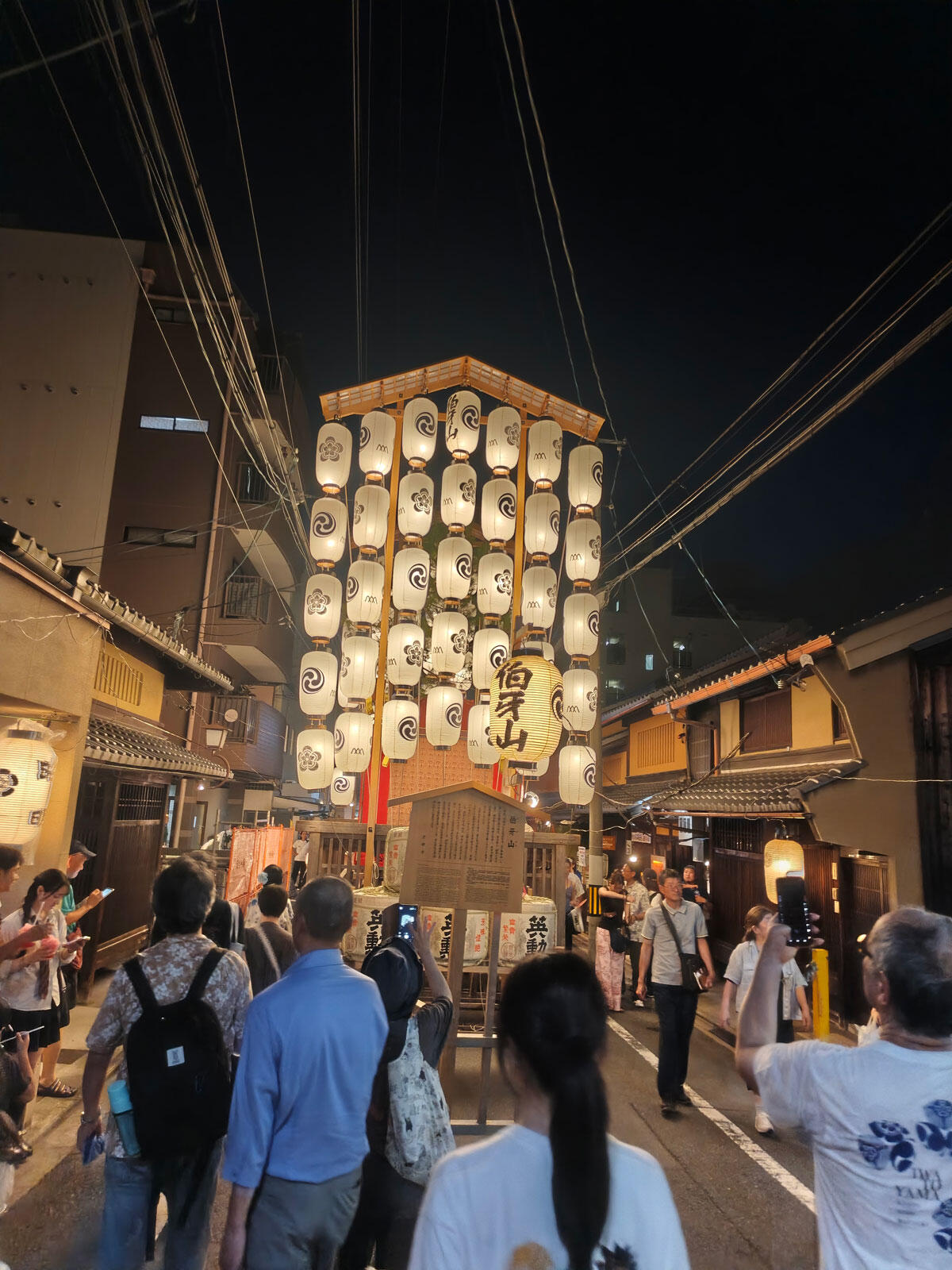
On July 16, we travelled to Kyoto and attended the Gion Festival. Upon arrival, we visited the Gion Festival, where we had the opportunity to observe the cultural activities taking place in the city. It was truly impressive to see the beautifully illuminated festival floats displayed throughout the different streets of Kyoto. Some of the floats featured symbolic representations of umbrellas, insects, and many other traditional figures, reflecting the richness of Japanese craftsmanship and cultural heritage.
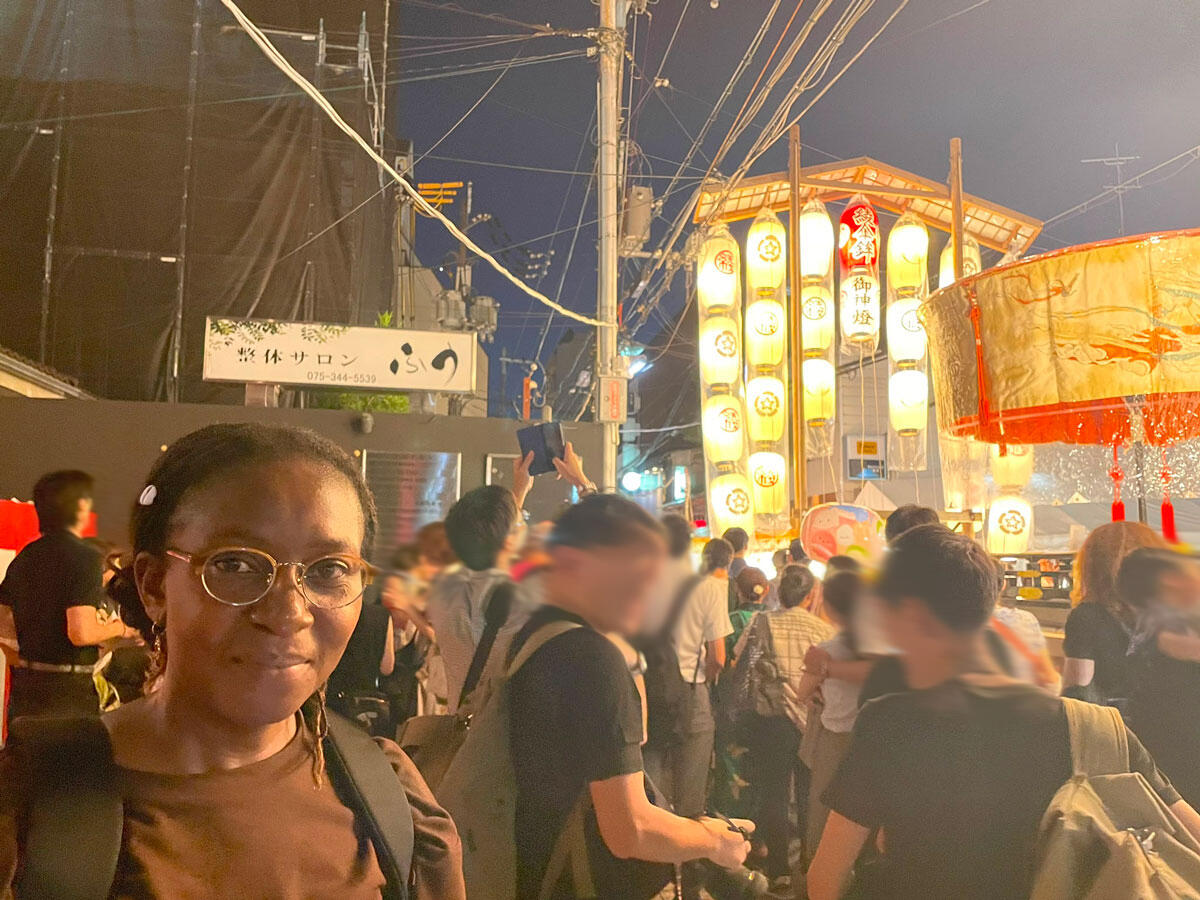
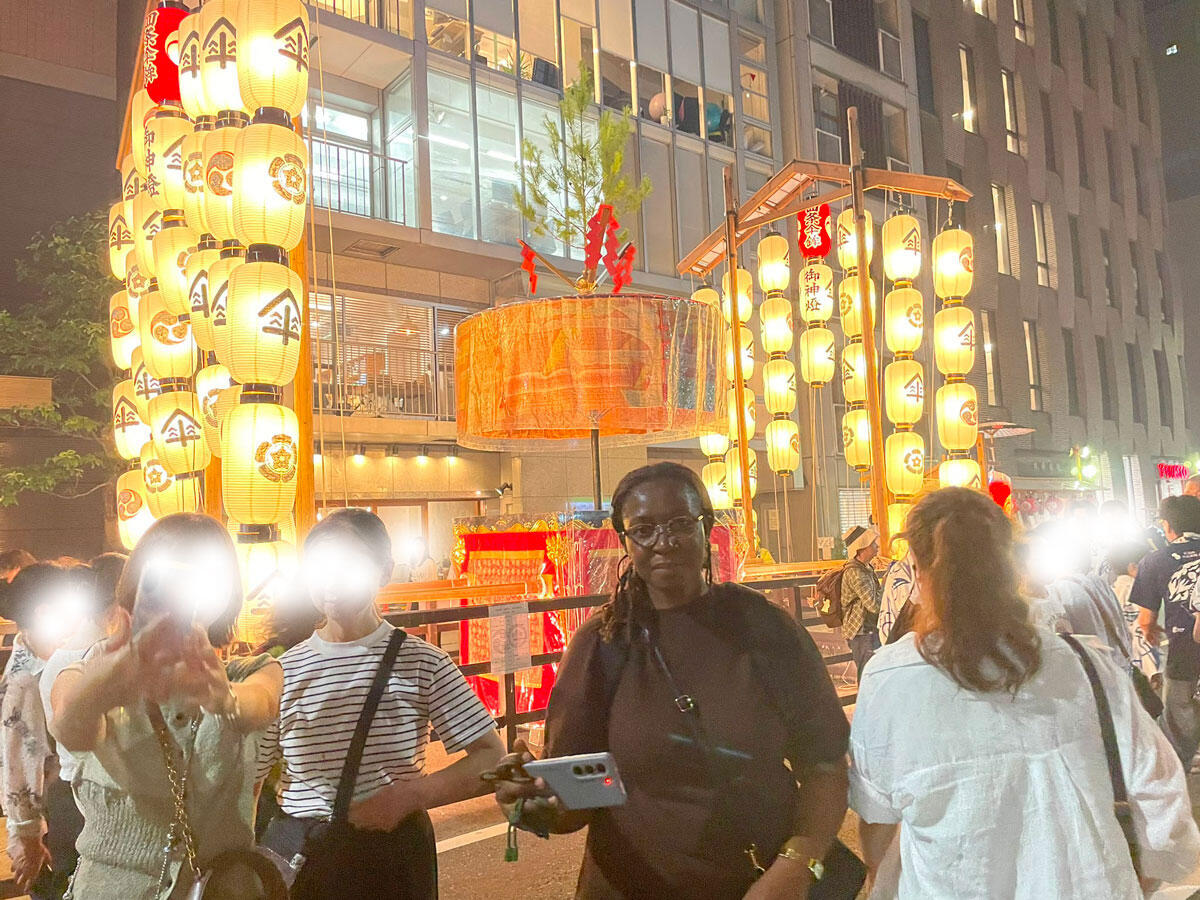
Throughout the festival, participants were seen offering prayers and making offerings to the deities, illustrating the deep spiritual connection and strong attachment of the Japanese people to their traditions. What also struck me was that several traditional townhouses located in the heart of the modern city were opened to the public, allowing visitors to admire symbolic cultural artifacts and decorations that have been carefully preserved despite the rapid modernization of urban life.
The festival was further enlivened by lively musical parades, many of which were performed by young participants, demonstrating the active involvement of younger generations in preserving these cultural traditions. The streets were also lined with numerous traditional street food stalls and filled with residents dressed in elegant yukata/ kimono, creating a vibrant and festive atmosphere that beautifully combined history, culture, and community life.
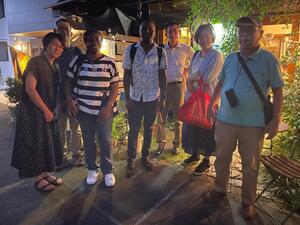
We then proceeded to the Research Institute for Humanity and Nature (RIHN). On July 17, we participated in a working session as part of the ECOIP Project at the Research Institute for Humanity and Nature (RIHN). The visit was guided by Dr Nguyen Hoang, who introduced us to the project team and gave us a tour of the institute's facilities, including its offices and research spaces.
The meeting provided an opportunity to discuss the project's objectives, future directions, and planned activities. We also exchanged views on the socio-environmental impacts of commodity trade and agricultural expansion in Cameroon, with particular emphasis on the main drivers of deforestation.
One of the key outcomes of the meeting was proposed a study visit to Cameroon to strengthen the project's implementation strategy and further enhance collaboration among the project partners.
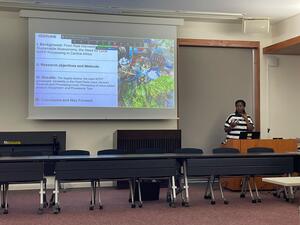
Following the meeting, we visited Kyoto University, where I delivered a presentation entitled Sustainable Non-Timber Forest Product value chains in Cameroon: a bioeconomy perspective on local processing. The presentation was well received by both the in-person and online participants and generated valuable discussions. Unfortunately, some participants were unable to join the online session because the registration link had not been sent to them. Following my presentation, the questions raised stimulated an engaging discussion on several key issues related to the sustainable development of processes Non-Timber Forest Product (NTFP) value chains. The discussion focused on the sustainability of the resource under large-scale processing, the need for certification of processed products to improve product reliability and facilitate access to national and international markets, as well as the structuring of supply basins and value chain actors.
The discussion highlighted the potential of Cameroon NTFPs to support the regional bioeconomy. Participants also raised questions regarding benefit-sharing mechanisms, particularly the share of benefits received by Indigenous Peoples and local communities, who constitute the primary collectors and carry out the initial stages of product processing.
Many participants were surprised to learn about the wide diversity of value-added products derived from NTFPs in Cameroon. They were especially impressed that these products are processed locally by artisanal producers and small and medium-sized enterprises, demonstrating the significant potential of local industries to create value from forest resources and to support the transition towards a sustainable bioeconomy.
Researchers from Kyoto University, who possess extensive experience with Non-Timber Forest Products, their processing, and the improvement of local livelihoods, particularly in Eastern Cameroon, participated in this conference. Among them were Professor Mitsuo Ichikawa and several other Japanese researchers. I also met Dr Towa Olivier William Kamgaing, who is currently a researcher at the Research Institute for Humanity and Nature (RIHN). I began my master's research with him as part of the Forest Savanna Sustainability (FOSAS) project in Eastern Cameroon, funded by JICA and the Government of Cameroon.
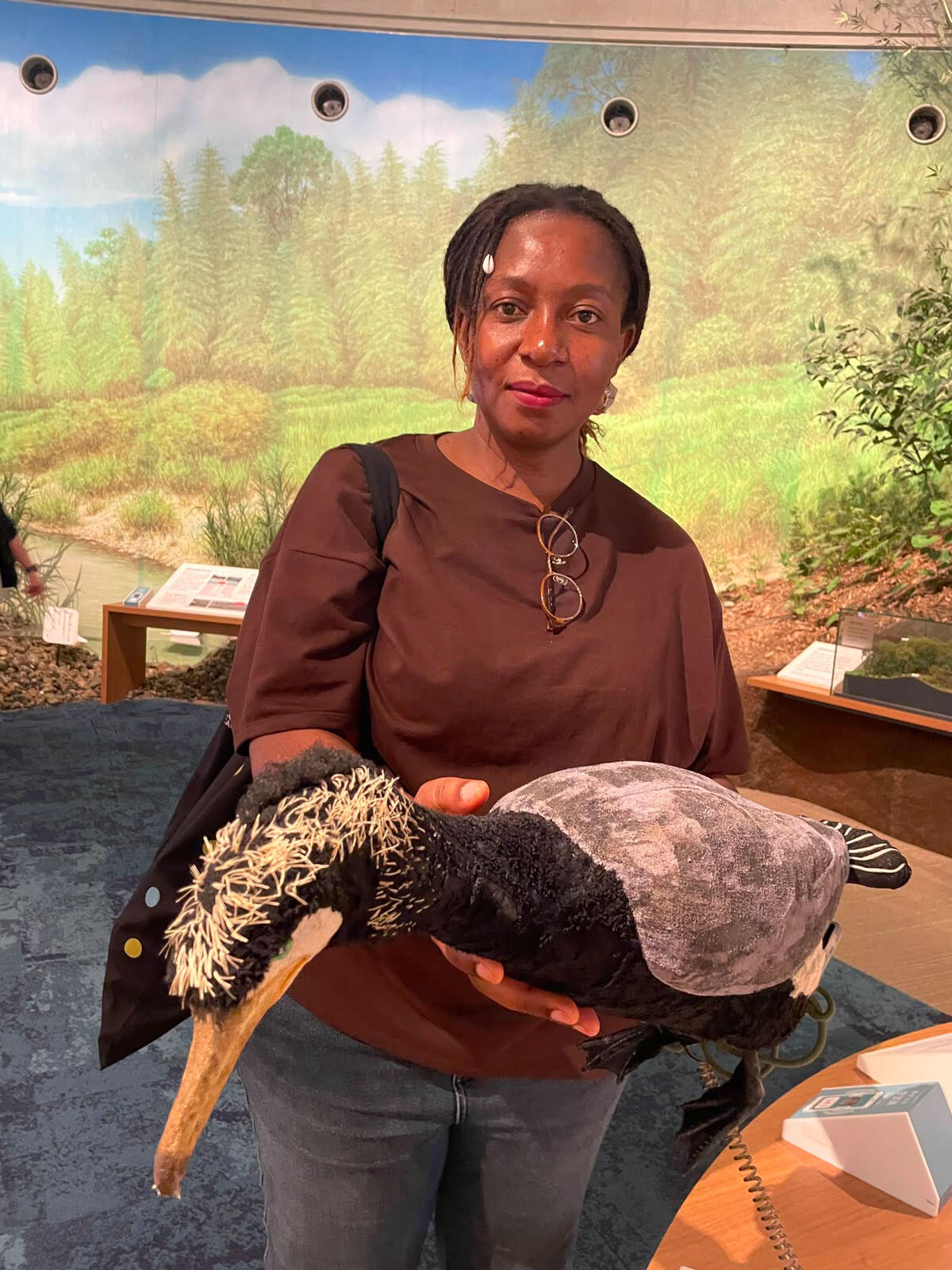
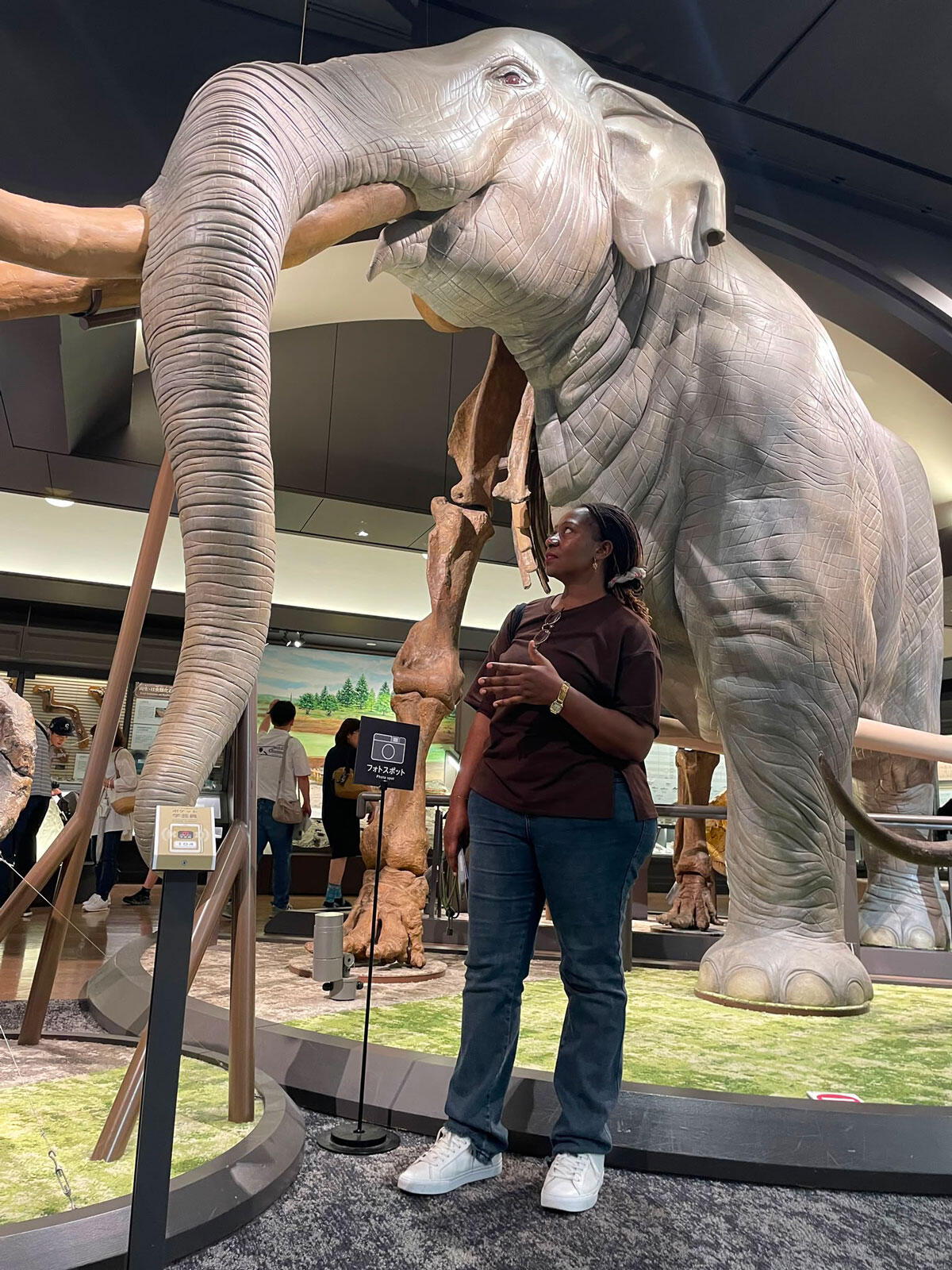
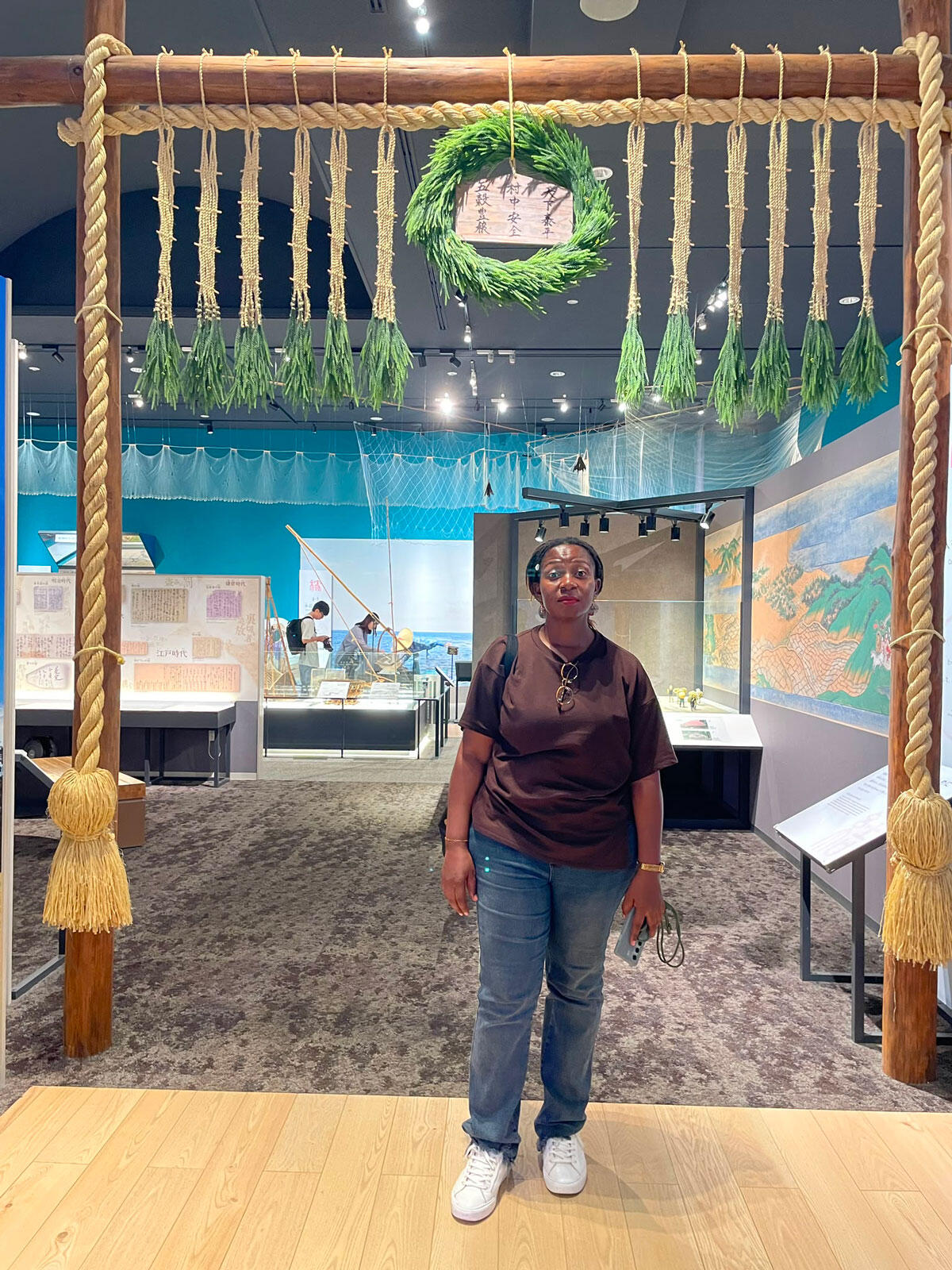
On 18 July, we visited the Lake Biwa Museum. I was particularly impressed by the museum, which presents the ecological, cultural, and historical significance of Japan's largest freshwater lake.
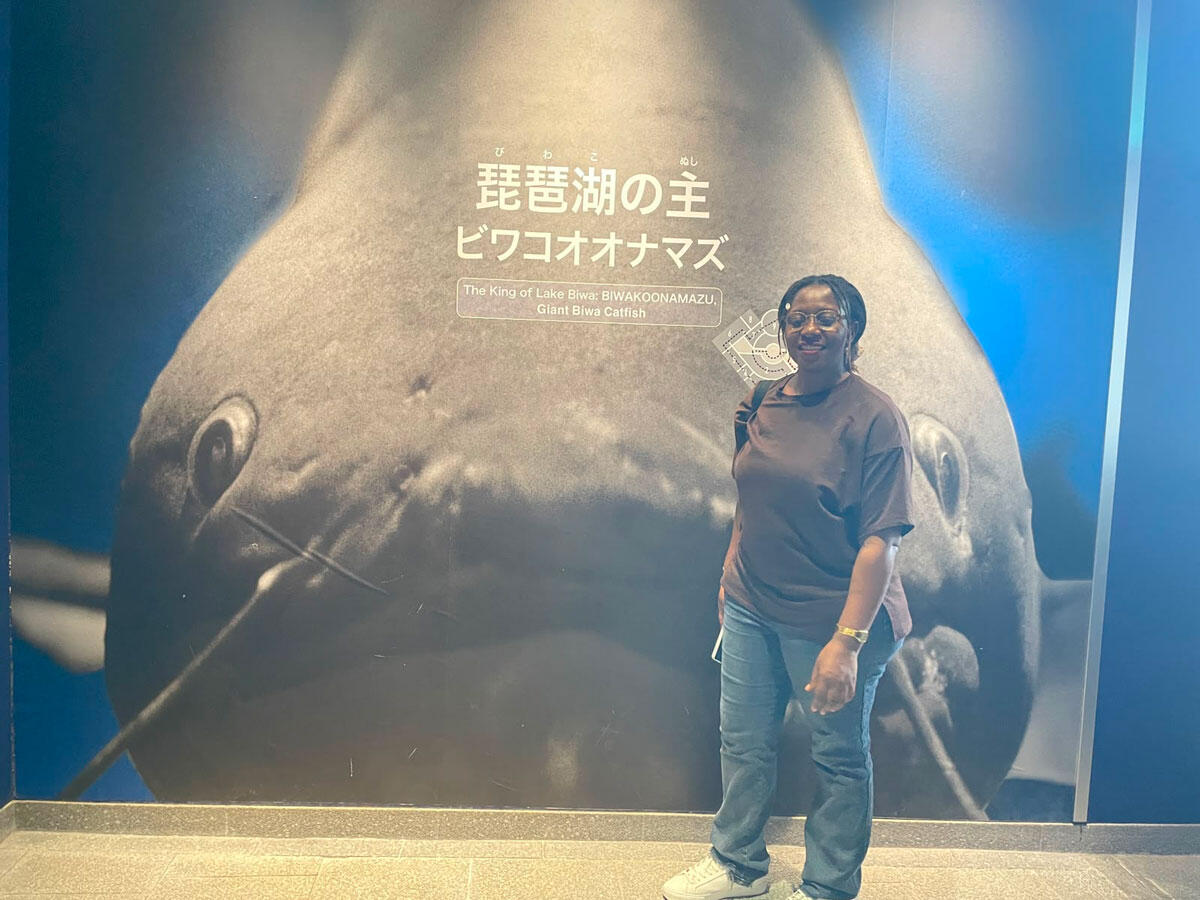
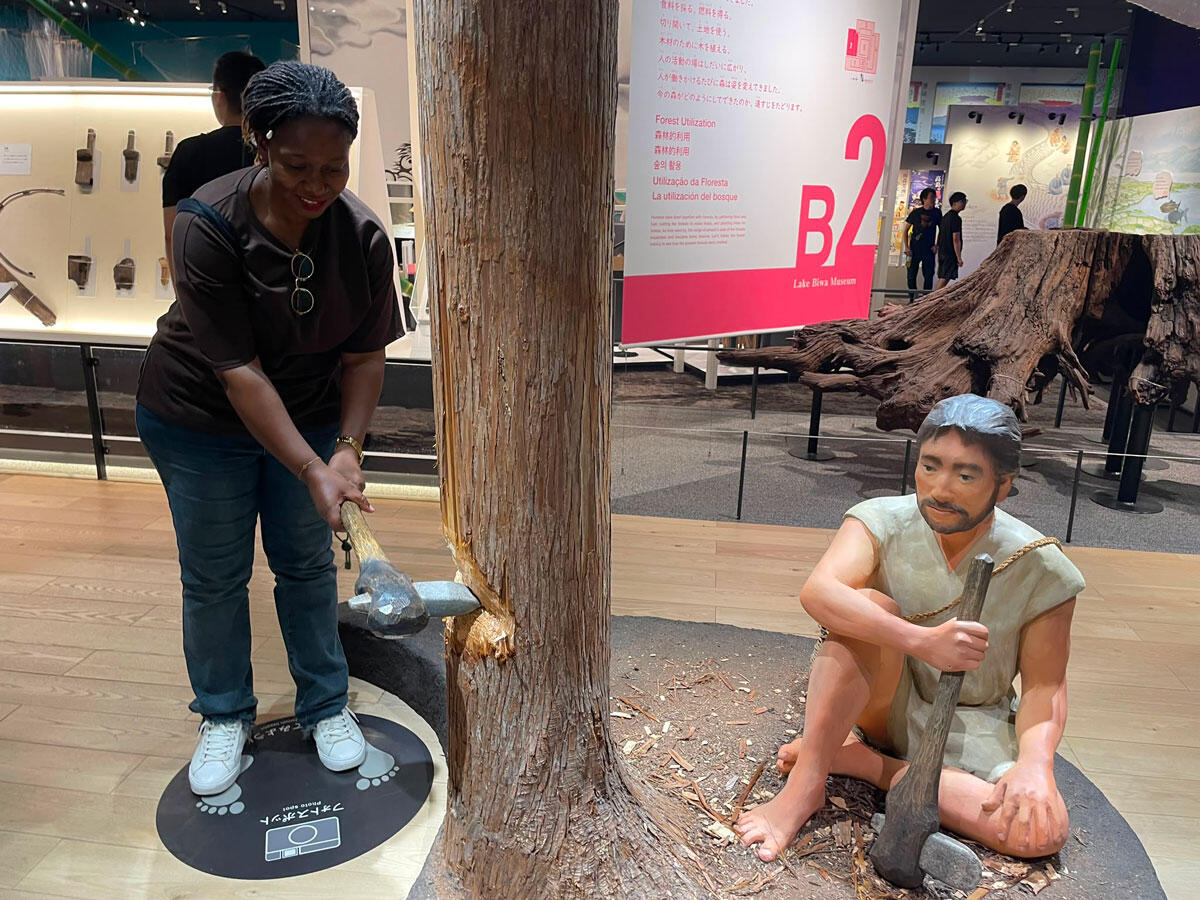
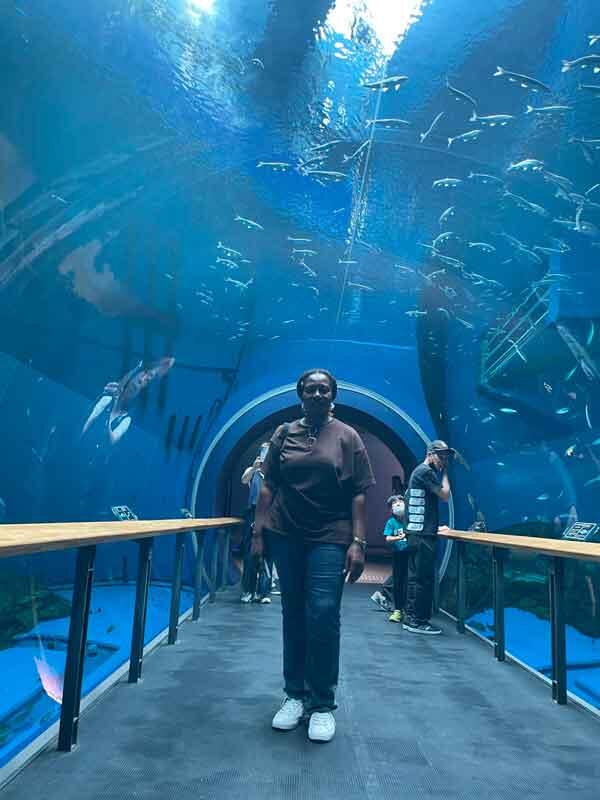
The museum explores several interconnected themes. The Aquarium Zone features freshwater fish and other aquatic organisms from Lake Biwa and freshwater ecosystems around the world, highlighting the lake's unique biodiversity. The Lake Biwa and Its Formation section explain the geological history and evolution of Lake Biwa, one of the world's oldest lakes, through fossils, rocks, and interactive displays. The Nature and Ecosystems section presents the lake's habitats, flora, fauna, and ecological processes, emphasizing biodiversity conservation and environmental change. Finally, the Human Life and the Lake section illustrates the long relationship between local communities and Lake Biwa, including traditional fishing practices, agriculture, transportation, and daily life. It also showcases the region's cultural heritage through historical artefacts, traditional tools, crafts, and exhibitions demonstrating how people have adapted to and benefited from the lake over time.
The museum has an impressive collection, including a wide variety of fish specimens, as well as extensive botanical and zoological collections. Many animal specimens are taxidermied and displayed in highly realistic natural settings that faithfully recreate their original habitats. The museum also features remarkable collections of plant and fish fossils, among other paleontological specimens.
The aquarium section showcases a rich diversity of fish species and provides information on their ecology, biology, and scientific classification, offering visitors a deeper understanding of aquatic ecosystems.
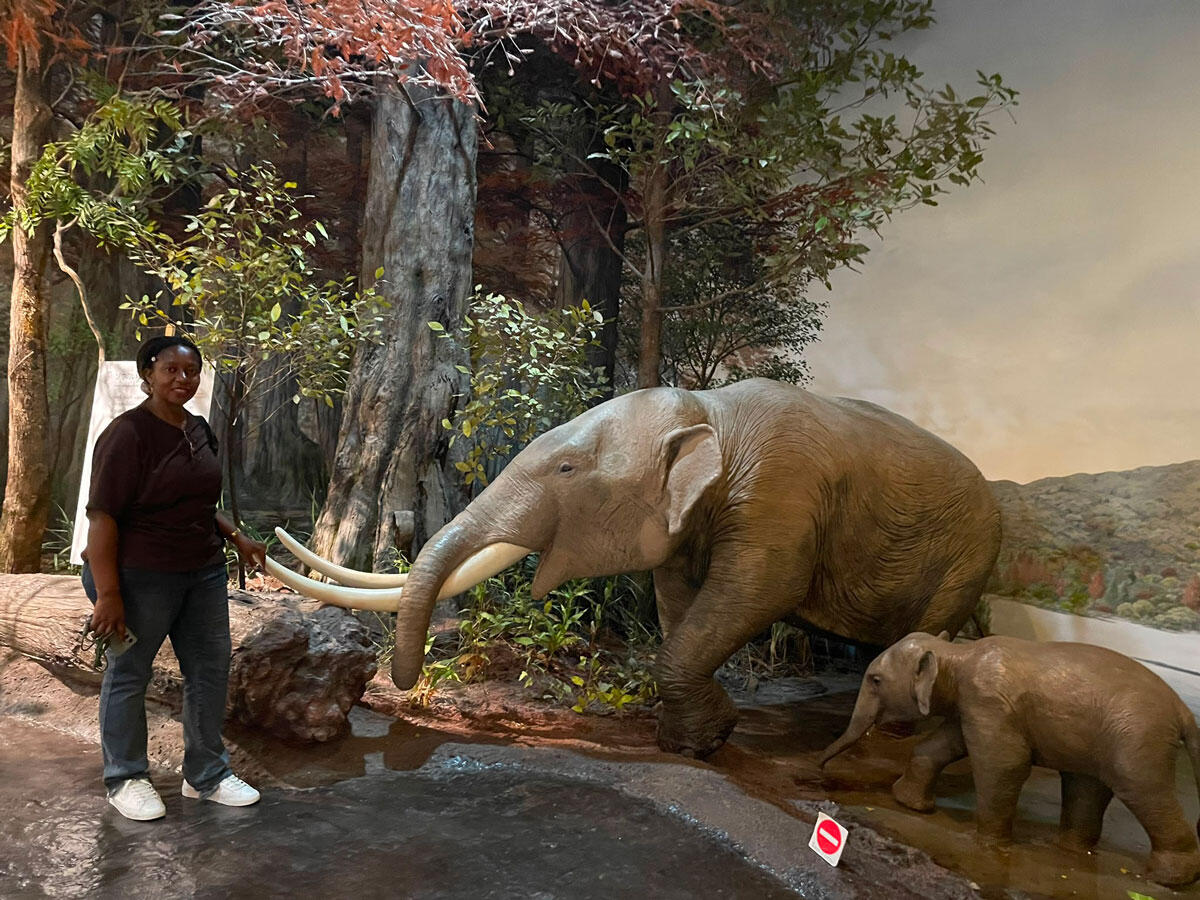
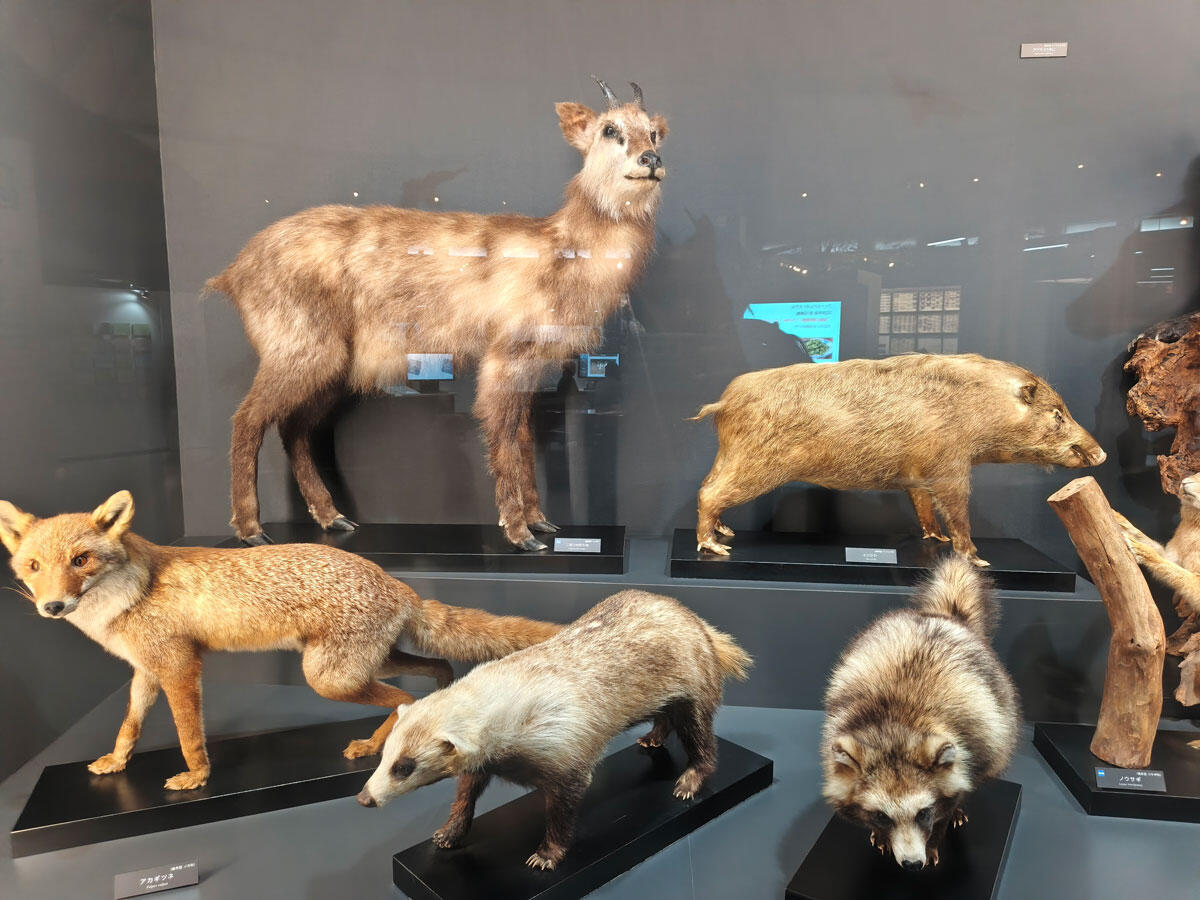
What impressed me most was the strong involvement of local communities. Many of the museum staff are residents of the Lake Biwa area, and local people actively contribute to specimen collection and documentation. The museum even includes a dedicated exhibition space showcasing collections gathered by community members, highlighting specimens and materials collected by local communities. This demonstrates the important role of community participation in scientific research and conservation. The close collaboration between scientists, museum professionals, and local communities makes the museum an outstanding example of community-based conservation and environmental education.
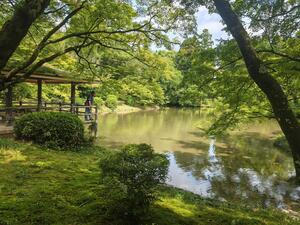
On July 19, we visited the Kyoto Botanical Gardens before returning to Tokyo. Due to the hot summer season, the museum opens early in the morning to allow visitors to enjoy the exhibits during the cooler hours of the day, whereas the botanical garden's conservatory opens later. I was immediately impressed by the remarkable diversity of the gardens, which feature beautifully maintained landscapes, an impressive collection of flowering plants, artistic elements such as bear sculptures, and a large conservatory housing plant species.
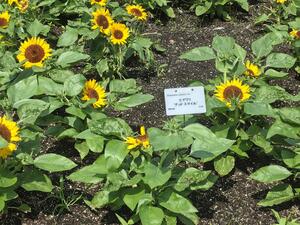
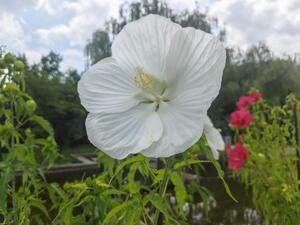
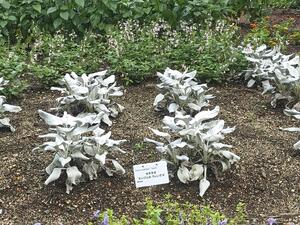
During my visit, I had the opportunity to observe a remarkable diversity of flowering plants, including hibiscus, sunflowers, Torenia hybrids, Petunia 'Sakura Sakura', Salvia splendens, and Senecio candicans, distinguished by its attractive silvery-white and green foliage. I also observed the fruiting stage of Camellia japonica as well as Castanea crenata (Japanese chestnut) and Vernicia fordii (kalo nut tree),
Beyond its rich plant diversity, the botanical garden offers a picturesque and peaceful environment. Its beautifully landscaped grounds provide an ideal setting for relaxation, observation, and appreciation of plant diversity, making it an inspiring place for both visitors and researchers.
During the visit, I observed visitors engaging with the gardens in different ways. While many people were simply enjoying the scenery, others were carefully observing and sketching plants in their natural surroundings. This highlighted the botanical garden's role not only as a recreational space but also as a center for education, scientific observation, and artistic inspiration.