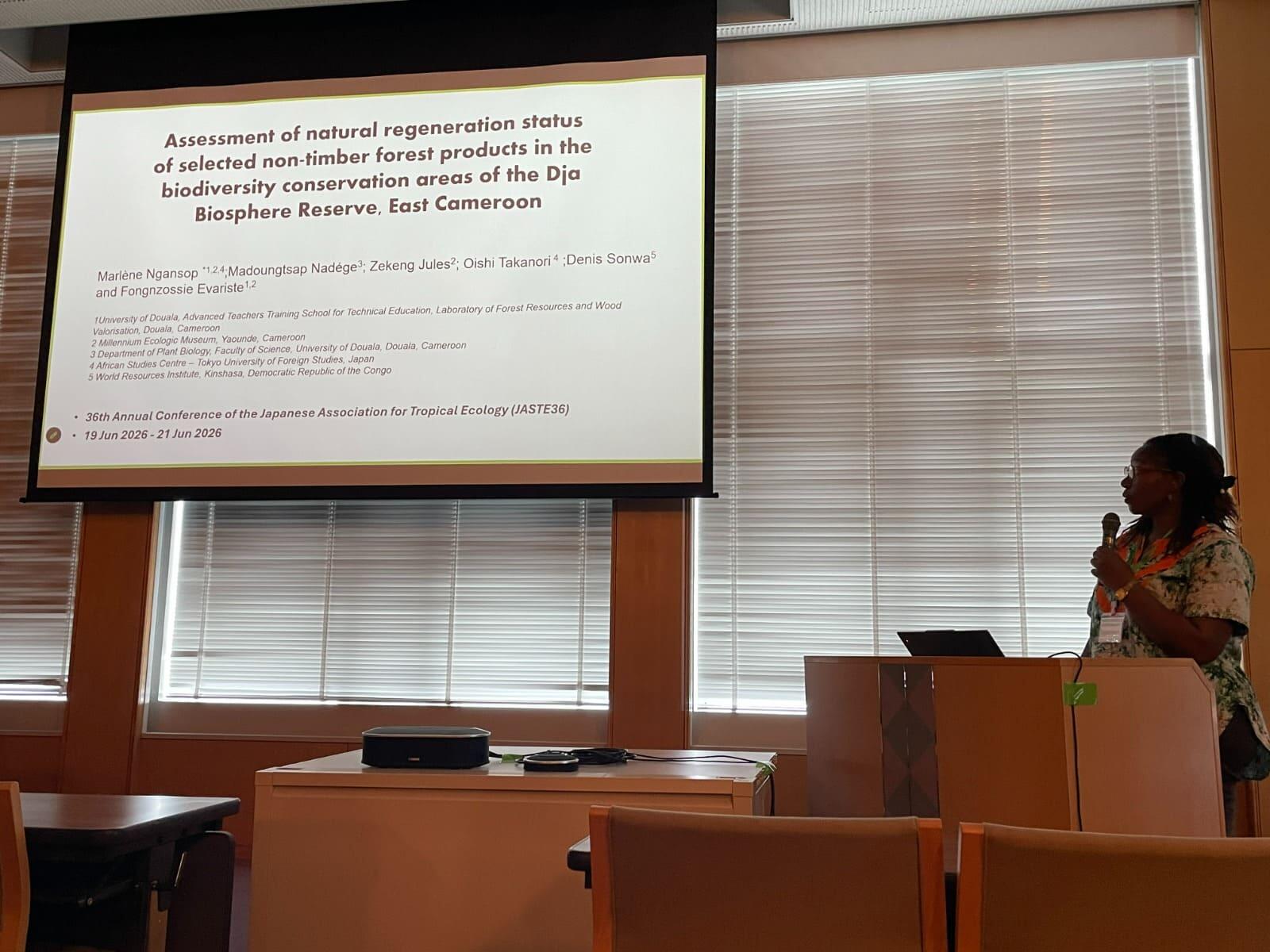
Our visiting associate professor, Dr. Marlène Ngansop, traveled to Osaka from June 19 to 21, 2026, to participate in the 36th Annual Meeting of the Japan Society of Tropical Ecology.
She also delivered a presentation during the morning session on June 20.
We have received the report, so please take a moment to read it.
Report on my participation at the 36th Conference of the Japanese Society of Tropical Ecology (JASTE 2026) by Dr. Marlène Ngansop
From June 19 to 21, 2026, I participated in the 36th Conference of the Japanese Society of Tropical Ecology (JASTE), held at Osaka Metropolitan University.
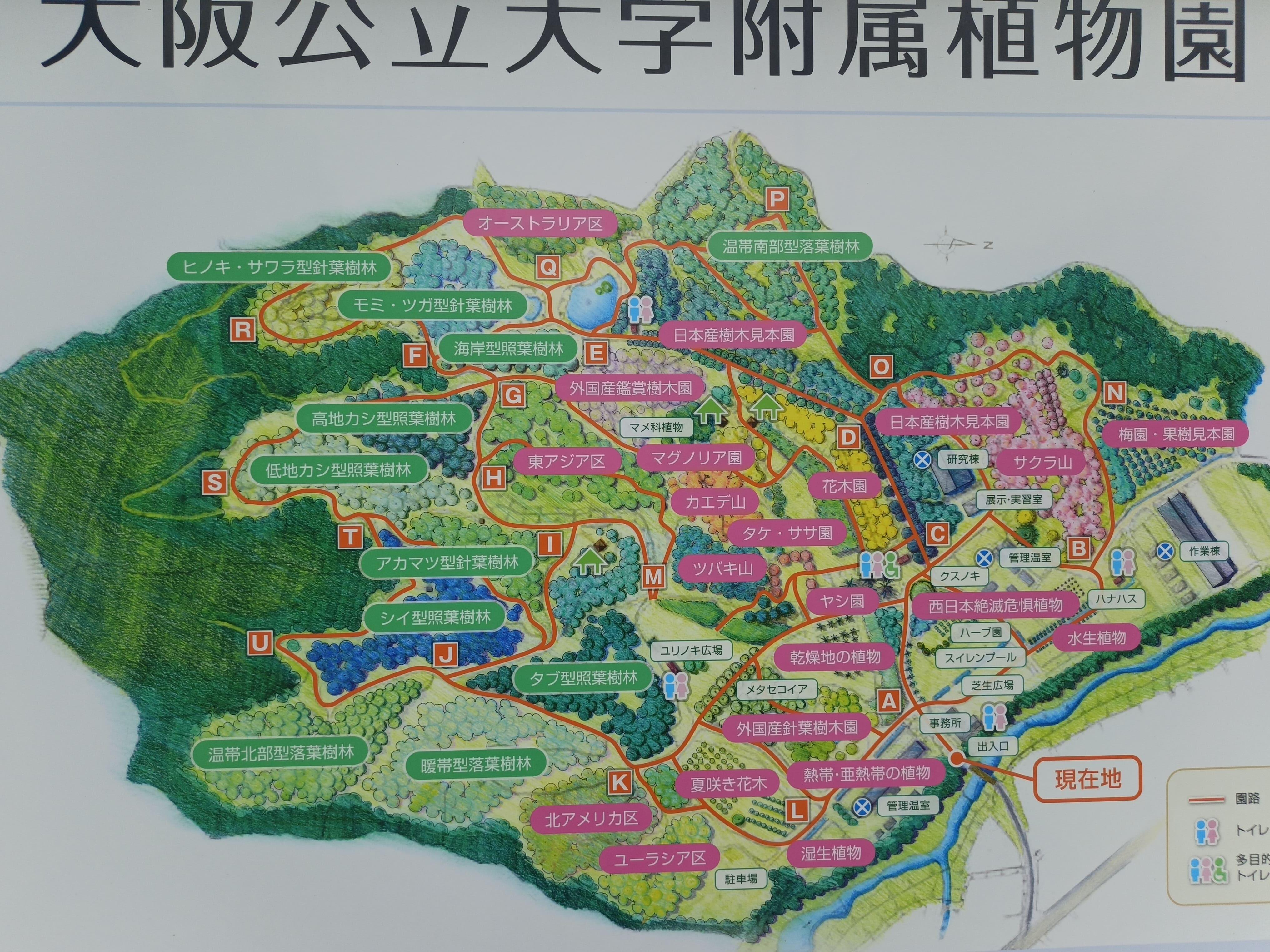
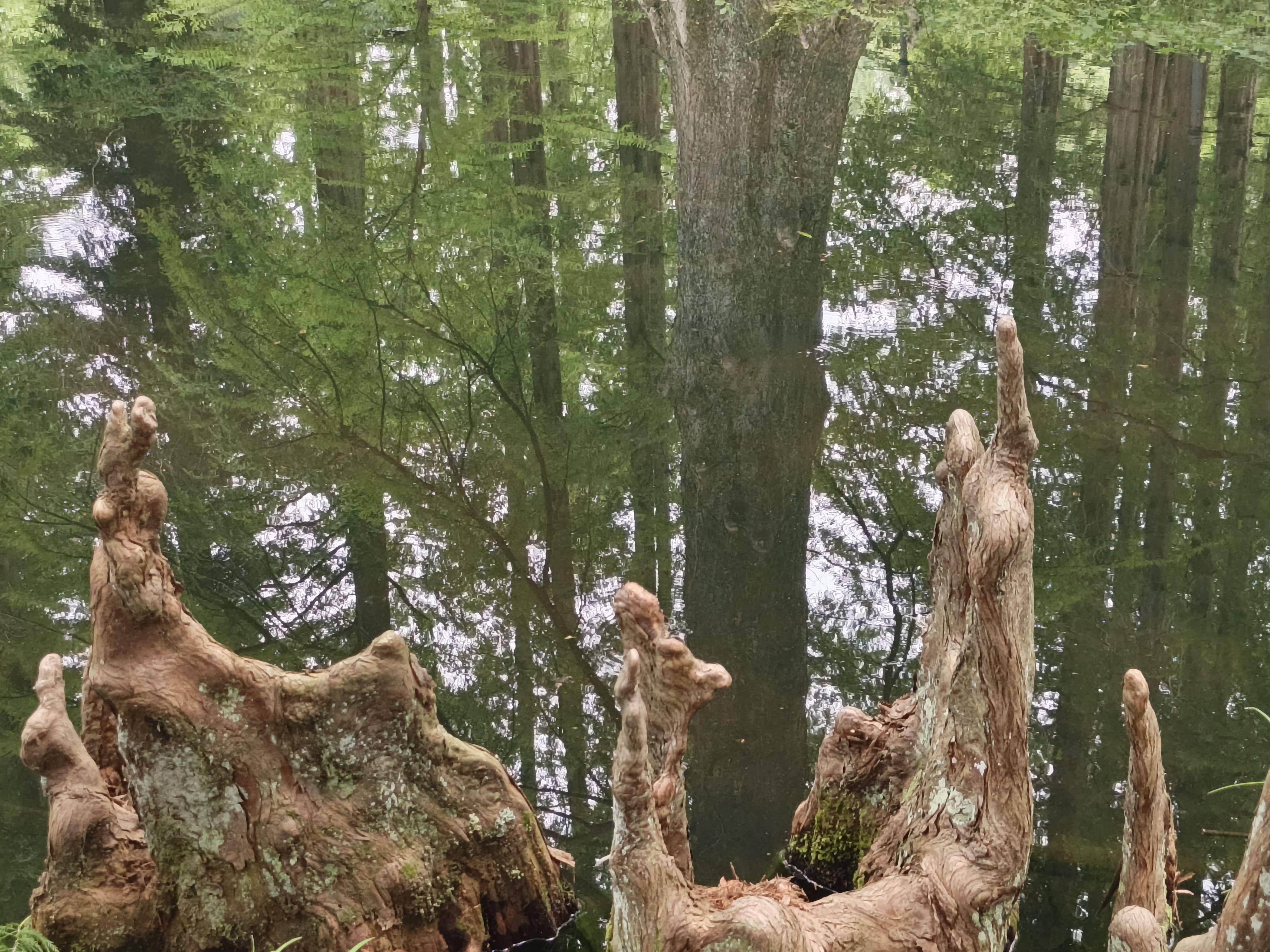
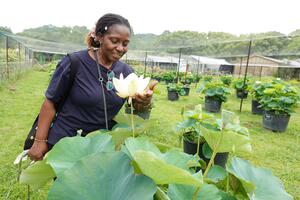
On June 19, Prof. Takanori Oishi and I visited the Botanical Gardens of Osaka Metropolitan University, located in Kisaichi, Katano City, Osaka Prefecture, Japan. Established in 1950 as a research centre affiliated with the Faculty of Science and Technology of Osaka City University, the garden hosts a rich collection of plant species from Asia (typically from Japan), the Americas, and other regions of the world. This garden has been designated by the Japanese Ministry of the Environment as a certified zoological and botanical garden for the conservation of rare and endangered species. It can serve as an important centre for botanical research, conservation, and environmental education.
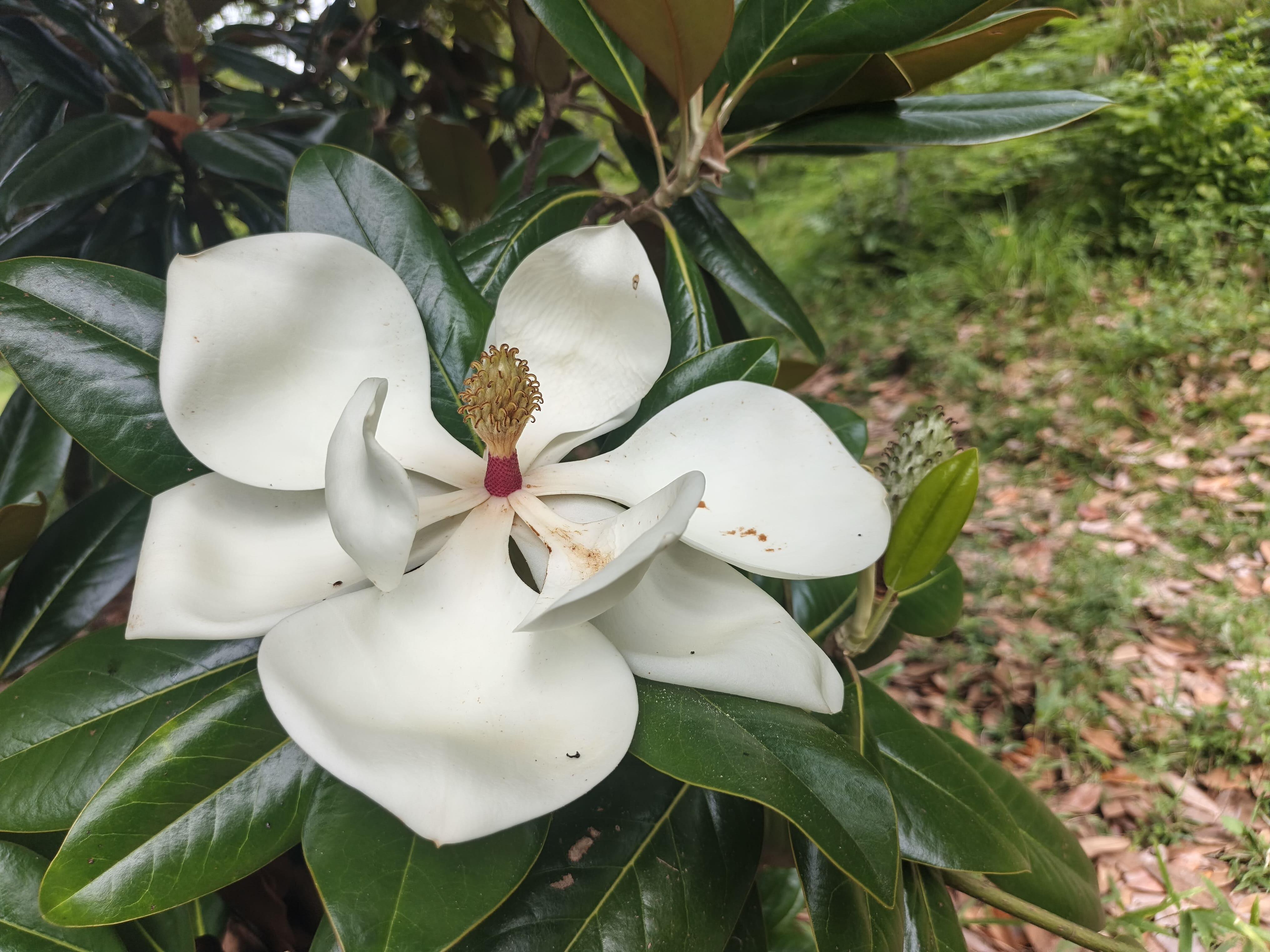
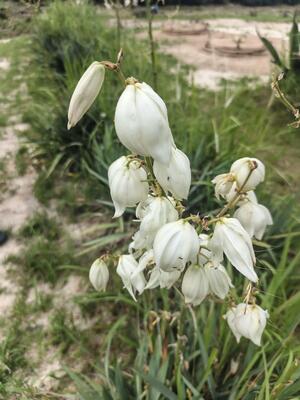
The visit followed the floristic trail indicated at the entrance of the garden. Among the many plant species observed, we spent some time examining the Nymphaea Spp. (water lilies) and lotus flowers. In Africa, flowers generally receive less cultural attention than in Japan, and I was delighted to observe lotus flowers closely and discover their pleasant fragrance. In many African contexts, they grow in stagnant, muddy waters and are often perceived as invasive plants rather than ornamental ones. Prof. Oishi explained that the roots of lotus plants are commonly consumed in Japan. It was fascinating to learn that the same plant can have very different cultural values and uses depending on society. I also observed Quercus aliena and Magnolia obovata, whose leaves are traditionally used as food wrappers and are known to enhance the flavour of food. In Cameroon, species such as Anthocleista schweinfurthii and Tectona grandis serve similar purposes, with their leaves commonly used for wrapping foods. These practices illustrate the important cultural and practical roles that plant resources play in local food systems across different regions of the world.
It was particularly interesting to see specimens of Ulmus parvifolia (Ulmaceae) and Sterculia foetida (formerly Sterculiaceae, now classified within Malvaceae) growing side by side. This observation reminded me of the phytogeography of Cameroon, notably the semideciduous forests characterised by Ulmaceae and Sterculiaceae, as described by René Letouzey. The encounter provided a valuable opportunity to connect botanical observations in Japan with ecological and biogeographical knowledge from Central Africa.
On June 20 and 21, we participated in the oral presentation sessions. I presented my research on "Assessment of natural regeneration status of selected non-timber forest products in the biodiversity conservation areas of the Dja Biosphere Reserve, East Cameroon". This study assessed the available potential and natural regeneration capacity of the fourth commercially important NTFP species in the Bifolone forest. The findings highlight the need for appropriate conservation and management measures to ensure the long-term sustainability of these valuable forest resources.
Four presentations particularly attracted my attention: Variation in Essential Oil Chemotypes and Yield in Cinnamomum fragrans, a Medicinal Plant from Northwestern Madagascar; Diurnal Vertical Temperature Dynamics of Tropical Rainforest Canopies: A Multi-Sensor UAV Approach; Women-led Community Forest Enterprise: Coping with Constraints and Sustaining Livelihood; Carbon Sequestration Potential and Farmer Perceptions of Carbon Credit Schemes in Agroforestry Systems of a Human-Elephant Conflict Landscape in Western Thailand; and Expansion of Cocoa Cultivation in the Tropical Forests of Cameroon and Land Dispossession of Indigenous Peoples. These studies highlighted the diversity of approaches and research topics in forest ecology. They demonstrated that the sustainability of tropical ecosystems depends not only on the conservation of biodiversity and ecosystem services, but also on ensuring that local communities benefit from and actively participate in the management of natural resources.
The public symposium entitled "Challenges of Nature Positive from a Tropical Perspective" provided an opportunity for discussion and reflection on the challenges facing both nature conservation and human well-being. The discussions showed that environmental issues are not only ecological but also social, economic, and political. The symposium highlighted that the sustainable conservation of tropical ecosystems requires an integrated approach that combines biodiversity conservation, the preservation of ecosystem services, social justice, land tenure security, improved livelihoods, and participatory governance, in line with the "Nature Positive" vision discussed during the symposium.