
Visit to the National Museum of Nature and Science, Tokyo-Ueno
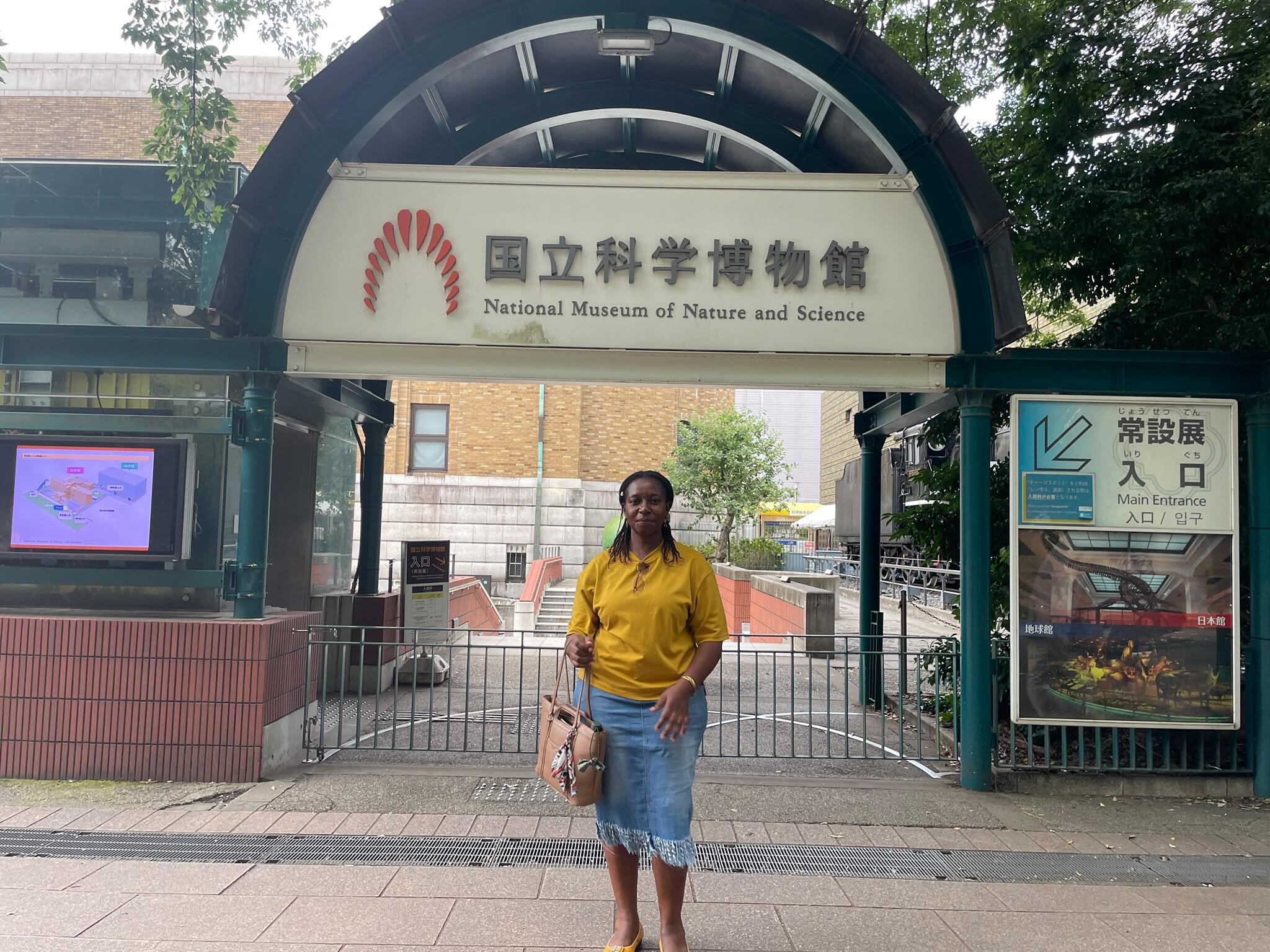
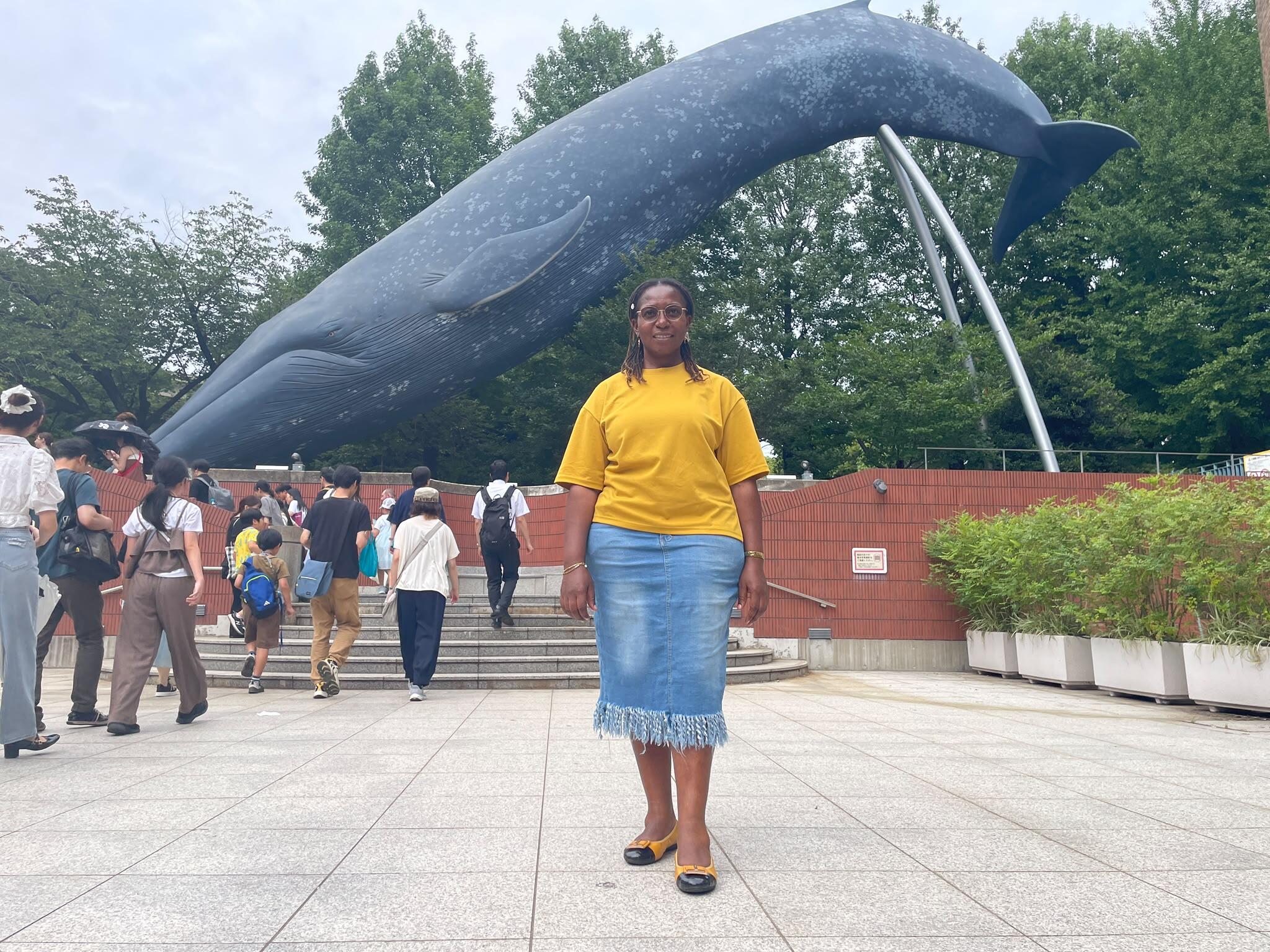
On the August 1 st, I visited the National Museum of Nature and Science in Ueno with Pr. Takanori Oishi. The museum is remarkably large, offering extensive exhibition spaces that cover various fields, including Japanese culture, natural history, biodiversity, geology, and scientific research. The organization of the museum allows visitors to explore the relationships between humans, nature, and scientific discoveries through different thematic exhibitions.
- Exhibitions on Japanese Culture and Human History
A dedicated section of the museum presents the results of research activities conducted by the Research Institute for Humanity and Nature (RIHN), highlighting its interdisciplinary approach that integrates natural sciences, social sciences, and humanities to address global environmental challenges. Through collaborative research on biodiversity conservation, sustainable resource management, and human nature relationships, RIHN demonstrates the importance of combining scientific knowledge with social and cultural perspectives. This exhibition reinforced the idea that effective biodiversity conservation requires a comprehensive understanding of both ecosystems and the societies that depend on them.
One section of the museum is dedicated to Japanese culture and human experiences, presenting objects, models, and research projects that illustrate daily life, cultural practices, and the evolution of human societies. The museum also showcases various research activities, including projects conducted in collaboration with the institution, highlighting the contribution of scientific research to understanding human history and interactions with the environment.
- Flora, Fauna, and Natural History Collections
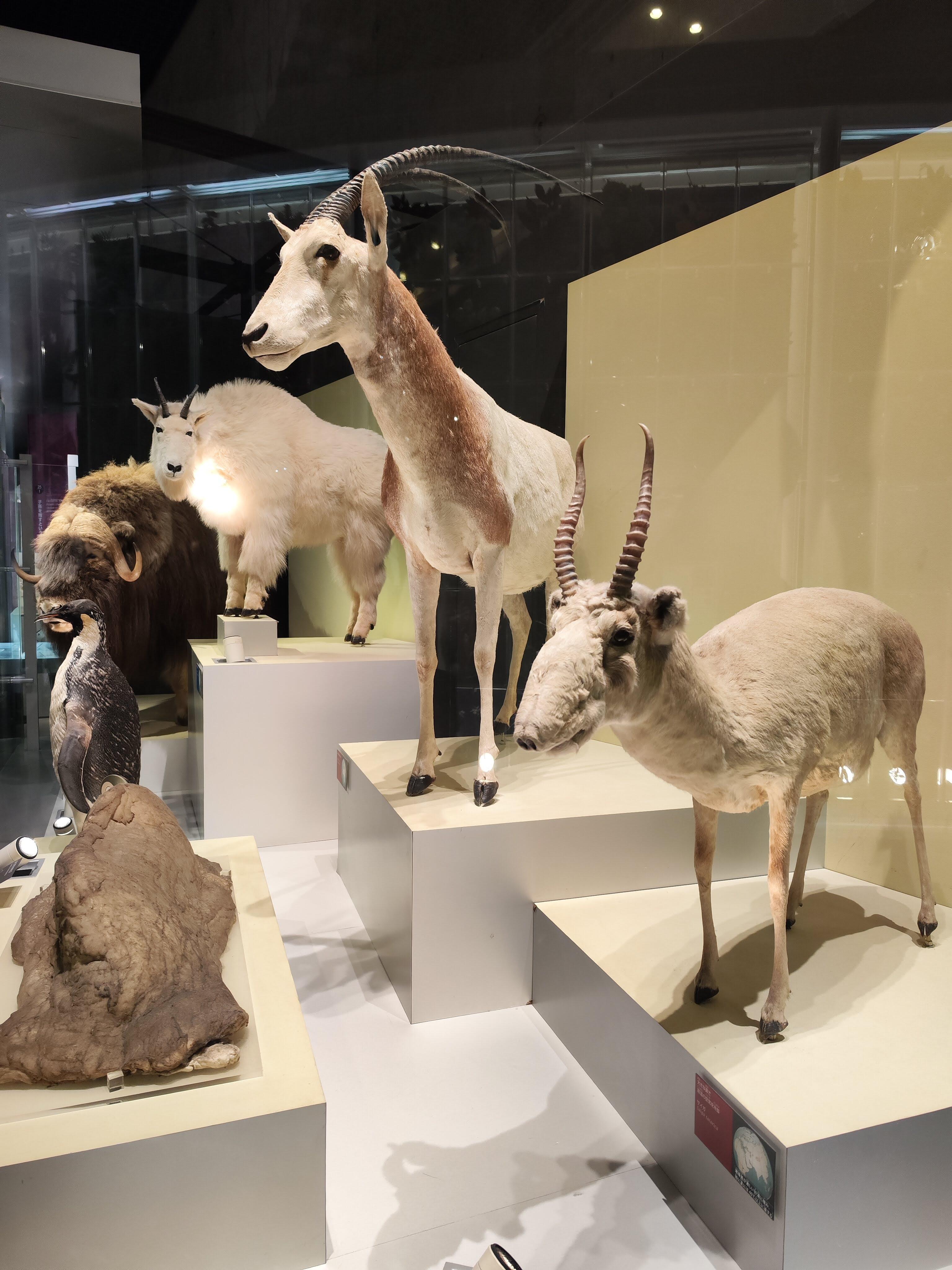
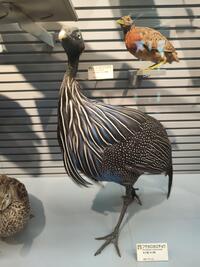
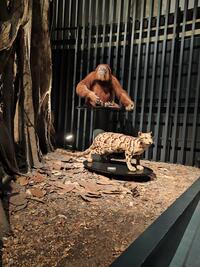
I also explored several floors presenting the flora and fauna of Japan and other regions of the world. The museum houses an impressive diversity of biological collections, including plant specimens, minerals, zoological collections and human evolution. This structure facilitates learning and encourages visitors to develop a deeper understanding of biodiversity and scientific discovery. Visitors can observe both taxidermy specimens and realistic representations of animals in their natural environments, providing a better understanding of species diversity, ecology, and evolutionary history.
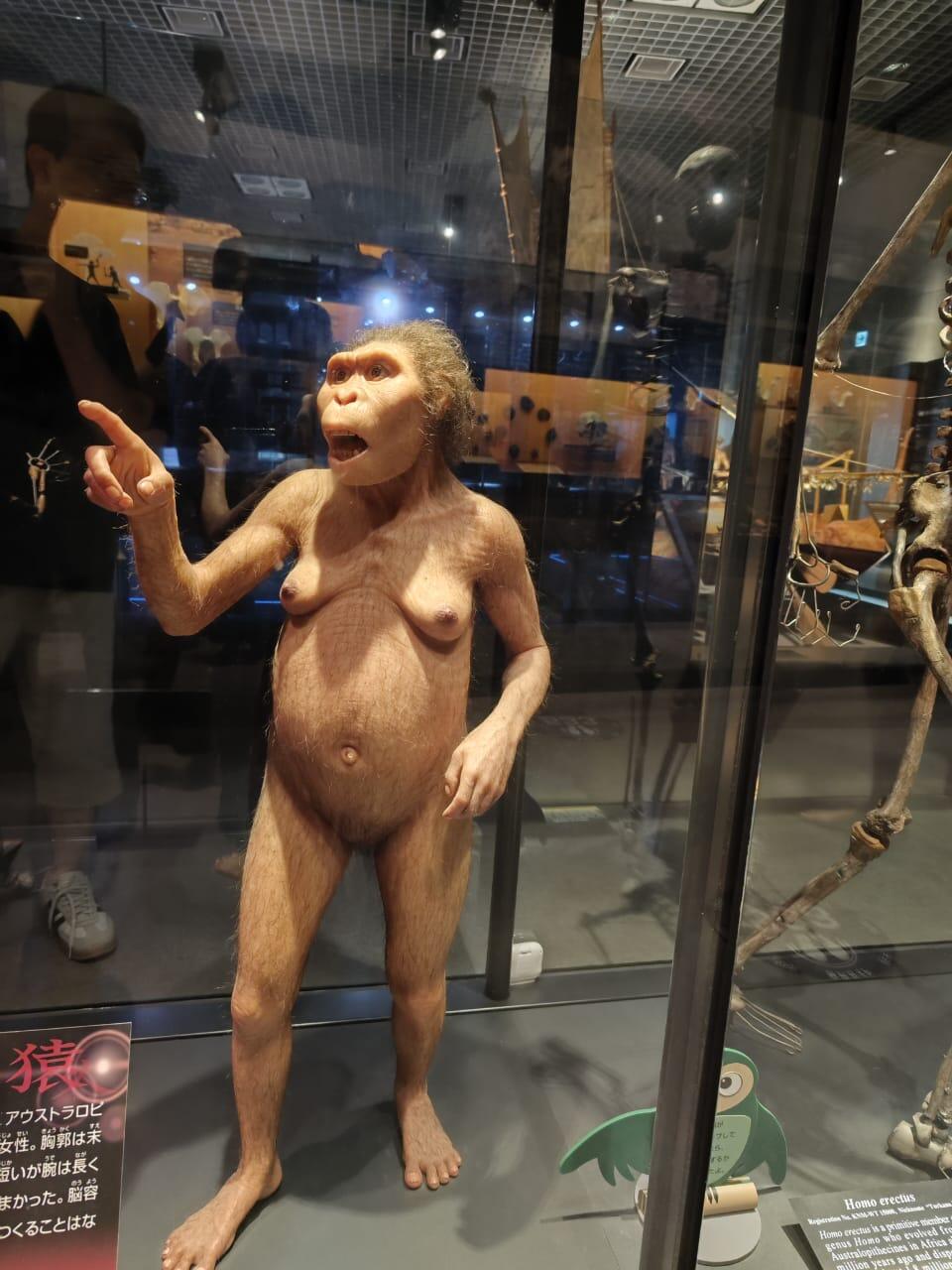
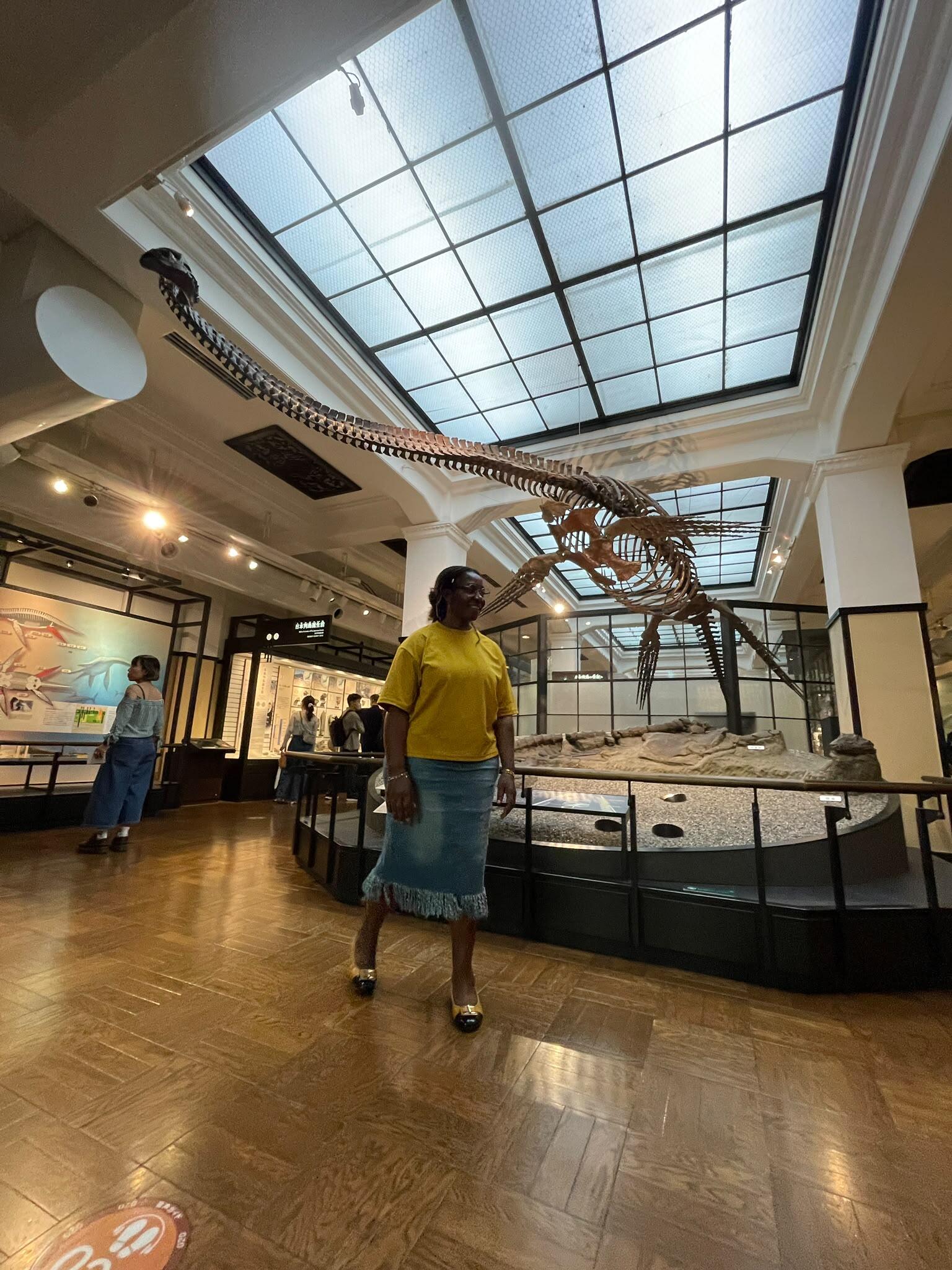
One of the highlights of my visit was the opportunity to take a photograph with the "Lucy" specimen, a highly realistic replica of the famous Australopithecus afarensis fossil. This representation provides an impressive visualization of human evolution and allows visitors to better appreciate the history of our species.
- Scientific Approach and Educational Value
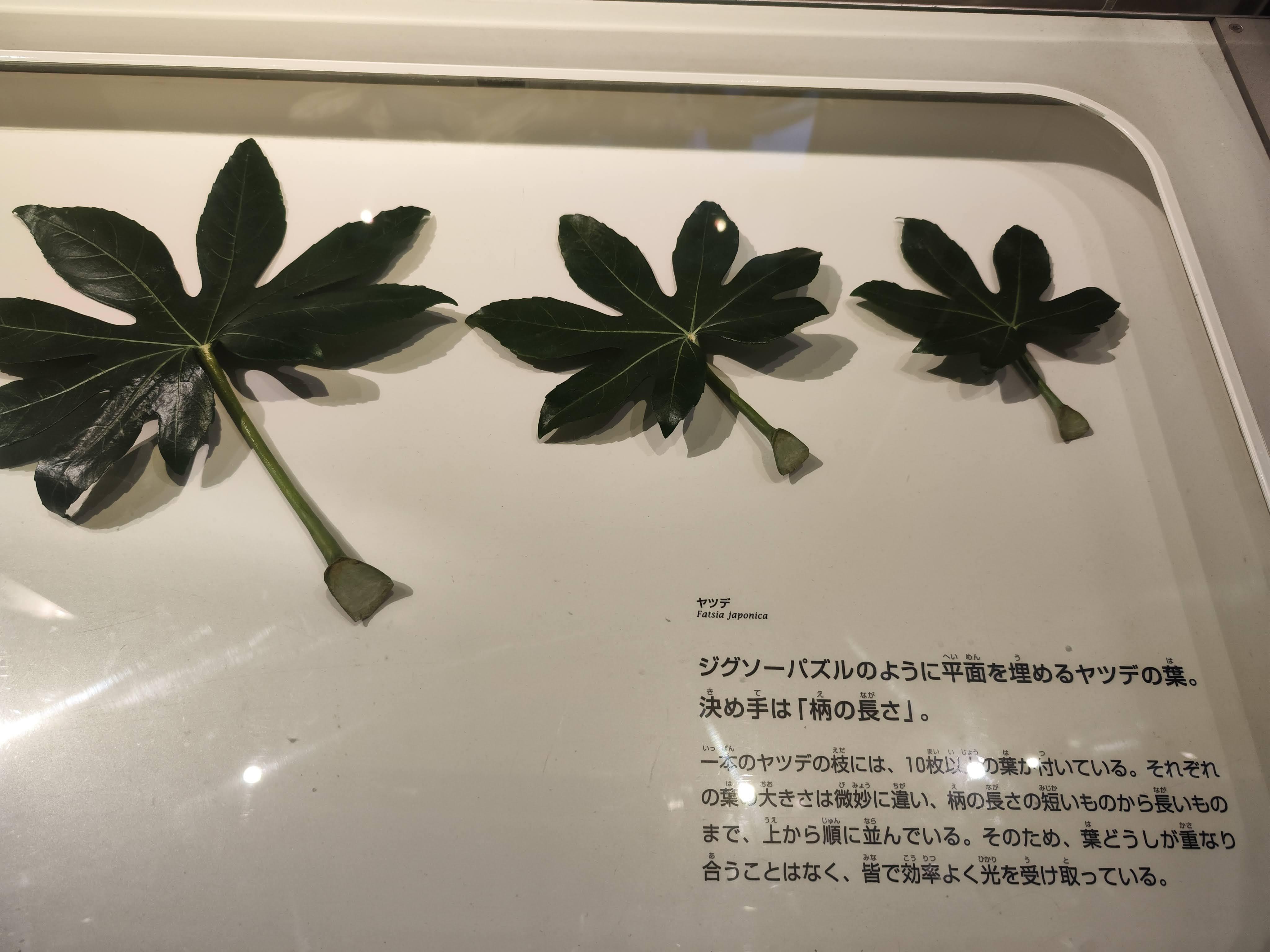
What distinguishes the Ueno National Museum of Nature and Science is the strong scientific approach underlying the entire collection. The information panels accompanying each specimen go beyond simple identification; they provide details on species ecology, behavior, biological characteristics, evolutionary history, and their significance within natural systems. This approach reflects the mission of a modern natural history museum, where collections serve not only for display but also for education, research, and knowledge transmission.
- Educational Importance & Reflection for the Millennium Ecologic Museum (MEM)
A visit to the Ueno National Museum of Nature and Science represents a valuable learning opportunity, particularly for students and young people interested in science, biology, ecology, and research careers.
As a curator at the Millennium Ecologic Museum (MEM), the first natural history museum in Central Africa, this visit was particularly inspiring. Located in Yaoundé, Cameroon, the museum is a scientific institution whose vision and mission are to conserve the biodiversity of Cameroon and the Congo Basin for present and future generations. Located in a natural site, MEM has developed the innovative concept of an eco-museum-laboratory, bringing together living biodiversity, scientific collections, researchers, and the public in a single location. Its activities encompass biodiversity conservation, scientific research, environmental education, scientific ecotourism, and the promotion of sustainable natural resource management.
This experience provided me with valuable insights into the organization and development of museum exhibitions, particularly the thematic structuring and presentation of collections to make scientific knowledge more accessible, engaging, and relevant to diverse audiences. Together with Pr. Takanori Oishi, we discussed the possibility of developing similar exhibitions at MEM through collaborations with government ministries, universities, research institutions, and embassies in Cameroon. Such initiatives could strengthen scientific communication, promote biodiversity awareness, and further enhance the role of MEM as a platform for education, research, scientific ecotourism, and cultural exchange.
Report and photographs by Dr. Marlène NGANSOP.