

Visit to Jindaiji Buddhist Temple, Tokyo-Chofu
On 31 July, I visited Jindaiji Temple, one of Japan's oldest and most renowned Buddhist temples. Located in Chofu, Tokyo. Dedicated to the Buddhist deity Jindai Daishi. It is particularly known for prayers related to good fortune, protection, and harmonious relationships.
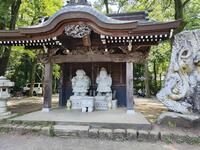
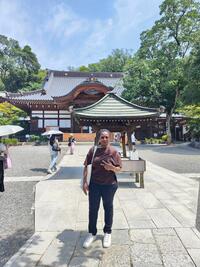
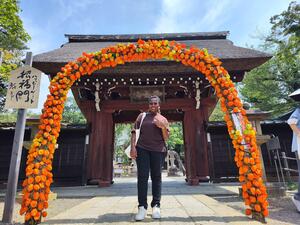
The weather was pleasant, making the visit particularly enjoyable. Beyond its architectural beauty and tranquil atmosphere, what impressed me most was the strong attachment of the Japanese people to their cultural and spiritual heritage. The temple complex also includes a cemetery dedicated to companion animals (pets), something I had never encountered before. It was my first time seeing a cemetery where dogs, cats, and other beloved pets are memorialized. I observed several visitors praying and paying their respects at these graves, illustrating the deep emotional bond between people and their animals and the respect accorded to them even after death.
Throughout the visit, I observed worshippers participating in religious ceremonies, offering prayers, and making offerings at different shrines. Many visitors purchased or carried omamori (protective amulets), which are believed to bring good fortune, health, success, and protection from misfortune. Witnessing these daily religious practices highlighted how traditional beliefs continue to occupy an important place in modern Japanese society. The visit also provided a deeper understanding of the Japanese perception of the relationship between humans, animals, spirituality, and nature, where respect and remembrance extend beyond human life alone.
I observe that, beyond its spiritual importance, Jindaiji Temple is also a vibrant cultural and social destination that attracts both local and international visitors. During my visit, I had a long and enriching conversation with some Japanese visitors, who were interested in learning about my stay in Japan, my research activities, and the significance of this international experience for my academic and personal development. This exchange made the visit even more memorable, demonstrating that the temple serves not only as a place of worship but also as a space where people from different backgrounds can meet, share experiences, and foster mutual understanding.
Visit to Jindai Botanical Garden, Tokyo-Chofu
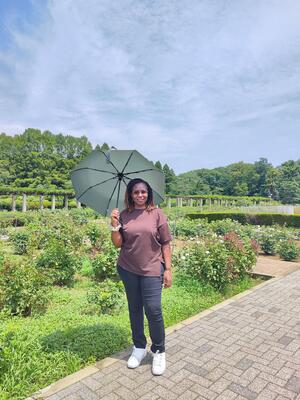
On the same day, 31 July, I also visited the Jindai Botanical Garden in Chofu, Tokyo. Established in 1961, the garden covers approximately 49 hectares and hosts a remarkable diversity of plant collections, including more than 100,000 plants and cultivars. The garden is organized into several thematic areas, including the Rose Garden, Azalea Garden, Camellia Garden, Plum and Cherry Tree Collections, Aquatic Plant Area, Greenhouse, and sections dedicated to Japanese and Chinese peony tree species, among others.
One particularly interesting section was dedicated to Japan's pioneer tree species, which naturally colonize disturbed environments following natural or human-induced disturbances. These species play a crucial ecological role by stabilizing soils, improving environmental conditions, and facilitating the establishment of later successional forest communities. Among the representative tree species observed were Quercus salicina (Japanese evergreen oak), Quercus variabilis (Chinese cork oak), Fagus crenata (Japanese beech), Carpinus japonica (Japanese hornbeam), Fraxinus sieboldiana (Japanese flowering ash), Koelreuteria bipinnata (Chinese flame tree), Cornus macrophylla (large-leaved dogwood), Celtis sinensis (Chinese hackberry), Styrax japonicus (Japanese snowbell), Neolitsea sericea (Japanese silver tree), Pinus densiflora (Japanese red pine), and Zelkova serrata (Japanese zelkova), all of which are characteristic components of Japan's temperate forests.
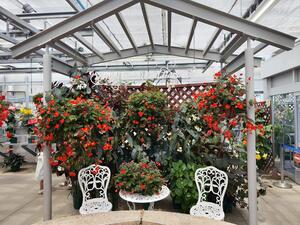
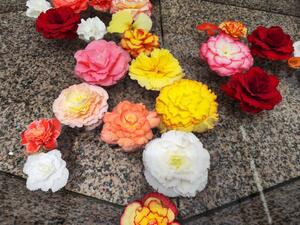
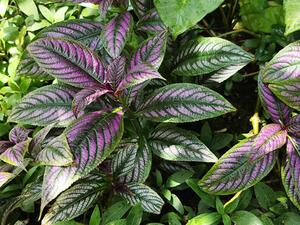
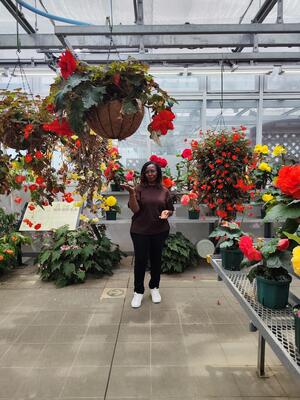
The tour continued through the famous Rose Garden, which showcased an extraordinary variety of roses in a wide range of colours, shapes, and fragrances. Among the cultivars I identified were "Lilibet, Redcap, Fragrance, Annabelle, Queen of Jindai, Princess Chichibu, Peace, and Papa Meilland". I was fascinated by the distinctive names given to many of these roses, several of which are inspired by women's names or iconic female figures. I also explored the large greenhouse, where many flowering plants were in full bloom. The begonias were particularly striking, displaying countless shades of pink, red, white, orange and salmon. The richness and intensity of their colours made for a striking spectacle and illustrated the remarkable ornamental diversity achieved through horticultural selection. I also visited the section dedicated to tropical forest understorey plants, which featured a rich collection of ornamental species characterised by the diversity of their foliage, textures and growth habits. This section also fuelled my reflections on the Cameroon Embassy's participation in the Green Expo 2027, particularly with regard to showcasing Cameroon's exceptional tropical biodiversity and its various ecosystems.
Another memorable experience was observing the collection of carnivorous plants, including species of Venus flytrap (Dionaea muscipula), pitcher plants (Nepenthes spp.), and sundews (Drosera spp.). Seeing these fascinating plants in their natural form was especially interesting because they are often portrayed in cartoons and movies as dangerous "man-eating" plants. In reality, they are highly specialized species that have evolved ingenious mechanisms to trap small insects, enabling them to obtain nutrients in nutrient-poor environments.
Overall, the visit to Jindai Botanical Garden offered valuable insights into Japan's botanical richness, ranging from native forest ecology and ecological succession to ornamental horticulture and unique plant adaptations. The diversity of collections reflects Japan's strong commitment to biodiversity conservation, environmental education, and the preservation of its botanical heritage.
The botanical garden is exceptionally large and remarkably well organized, with clearly identified thematic sections that make it easy for visitors to explore its diverse collections. Unfortunately, the intense summer heat and strong sunshine limited the duration of my visit, preventing me from exploring every section of the garden.
Report and photographs by Dr. Marlène NGANSOP.