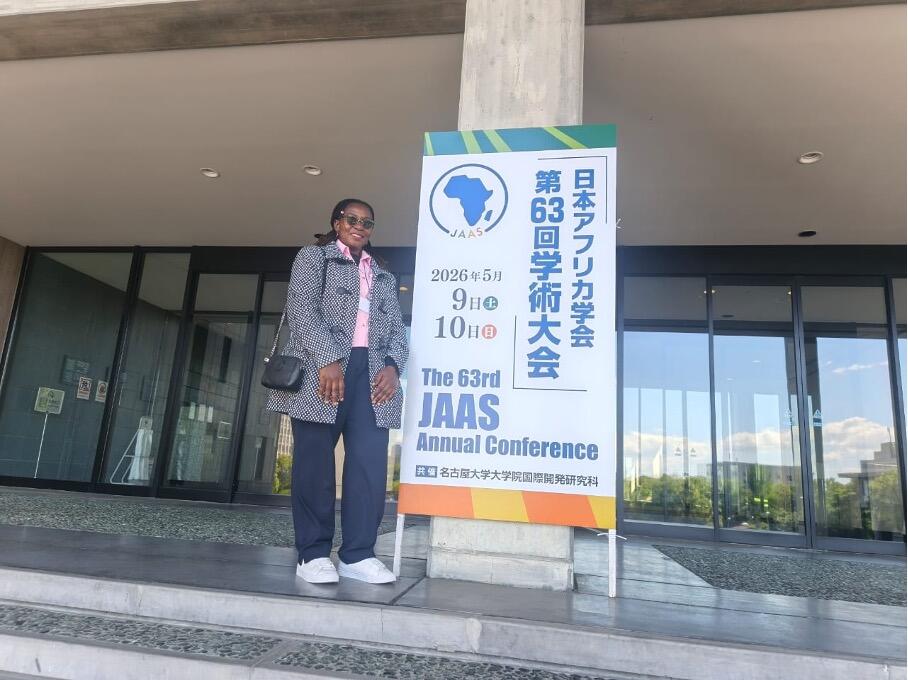
Our invited visiting associate professor. Marlene Ngansop, participated in the conference. We are pleased to share her report on the event below.
https://conference.african-studies.com/english.html
Trip report on Nagoya (08_10 May)
I travelled to Nagoya from 8 to 10 May 2026 to attend the 63rd Annual Conference of the Japan Association for African Studies.
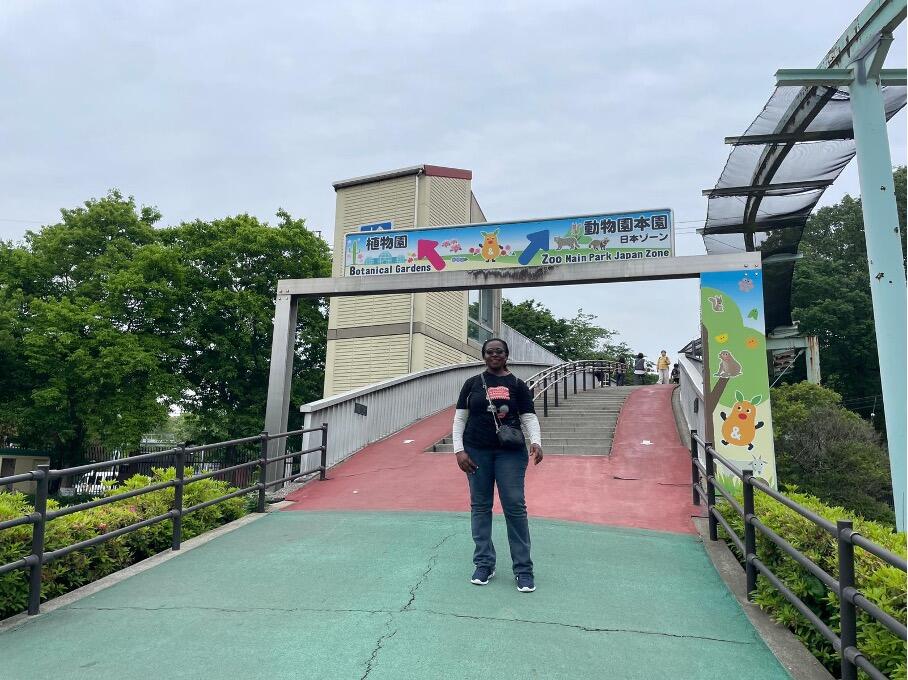
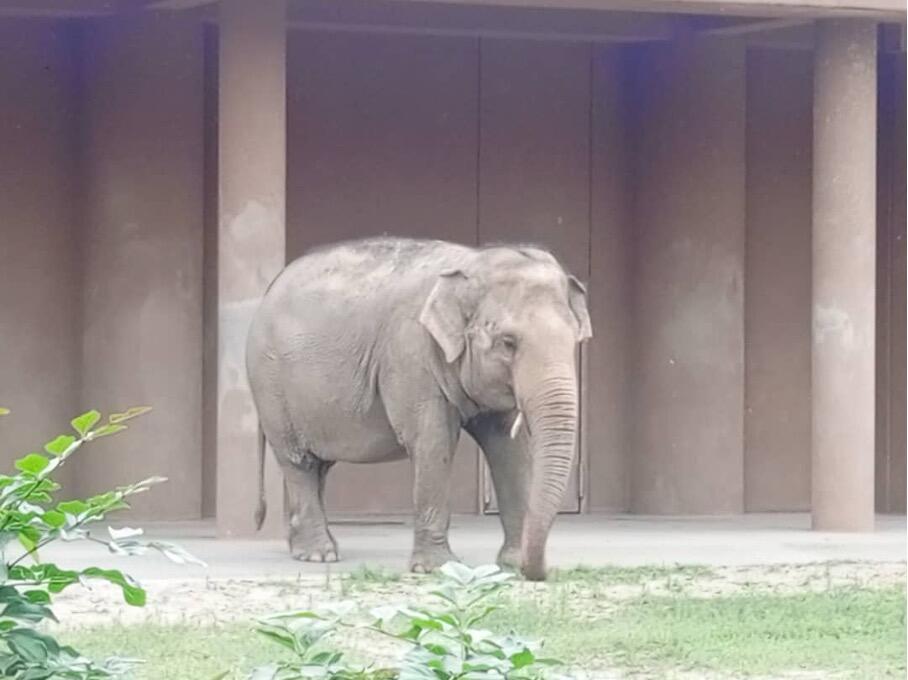
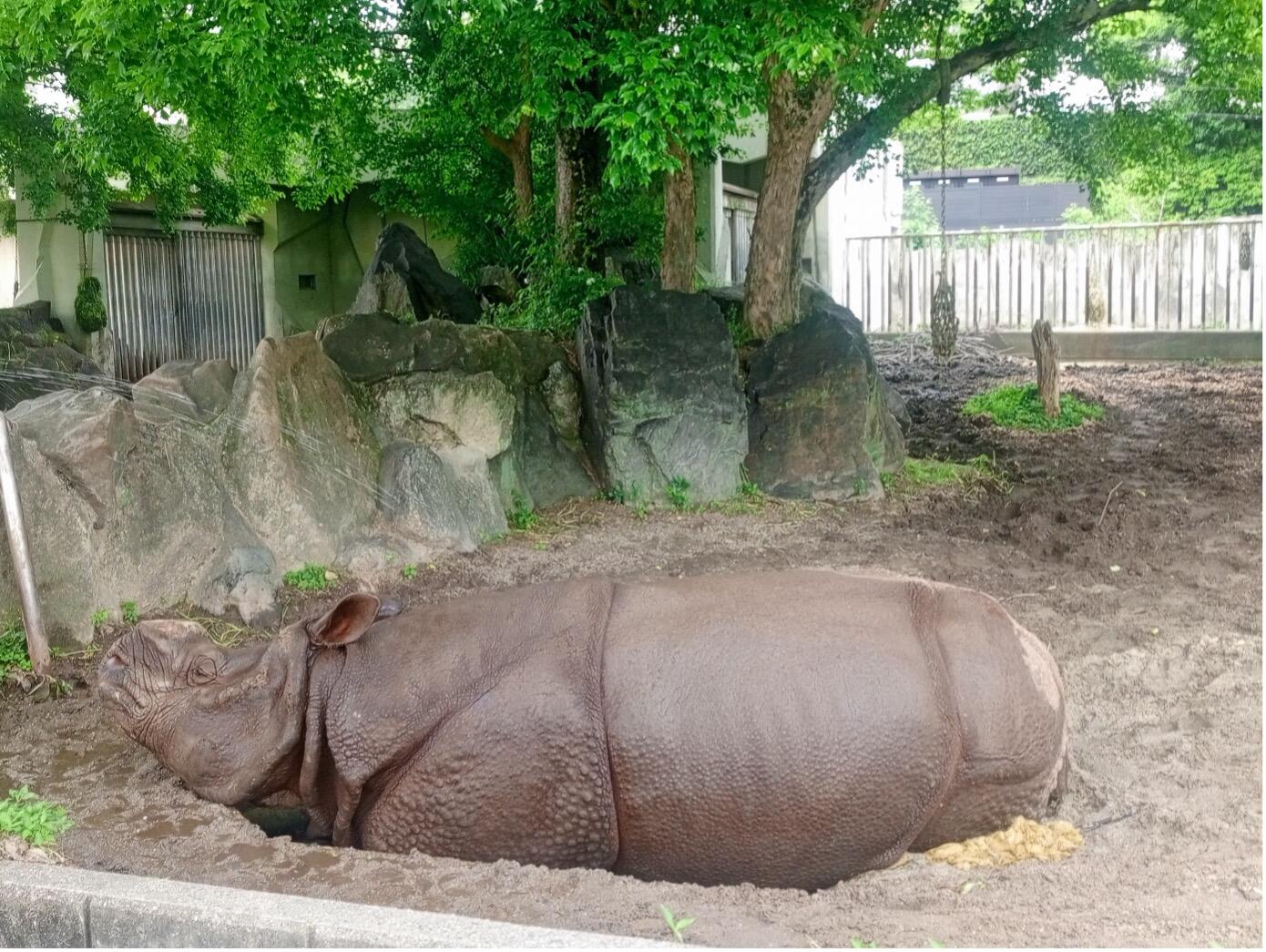
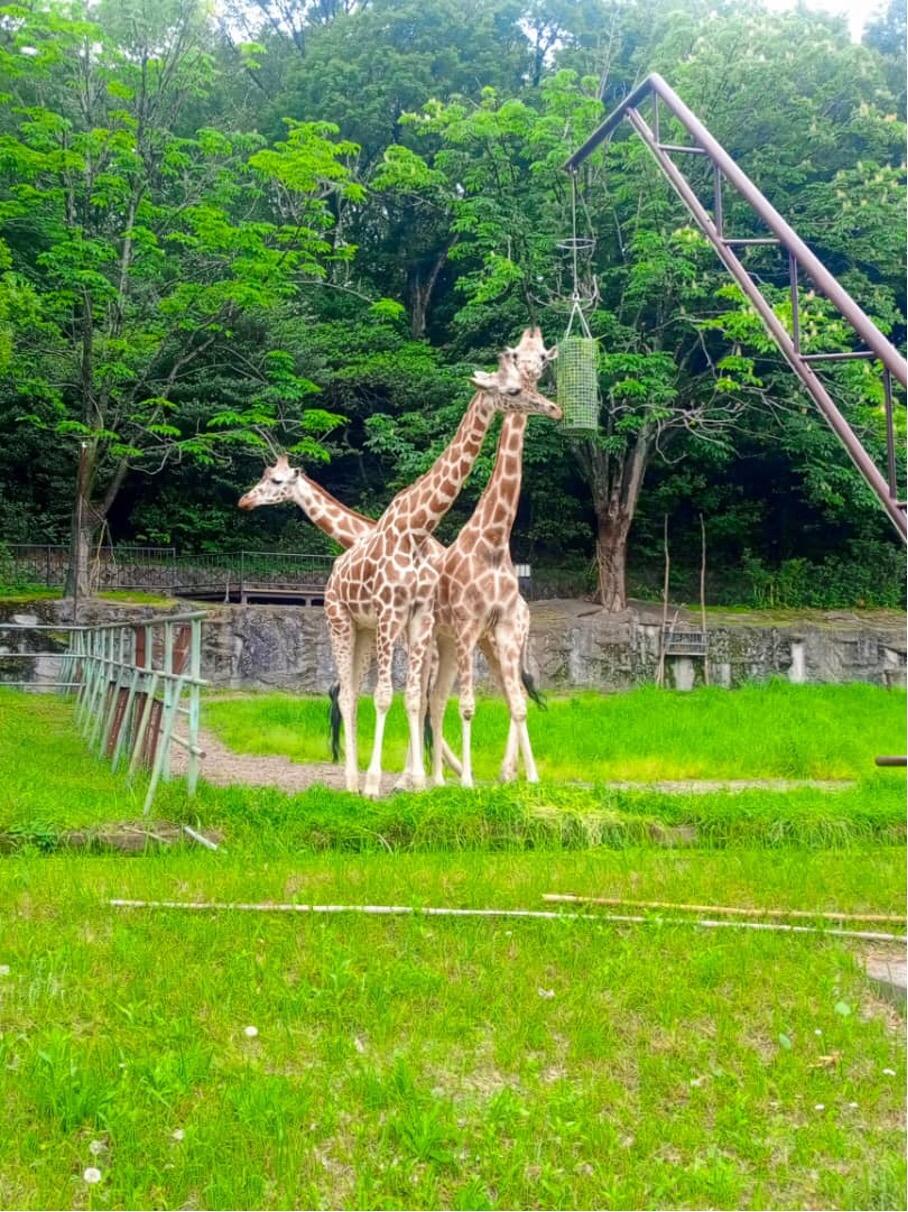
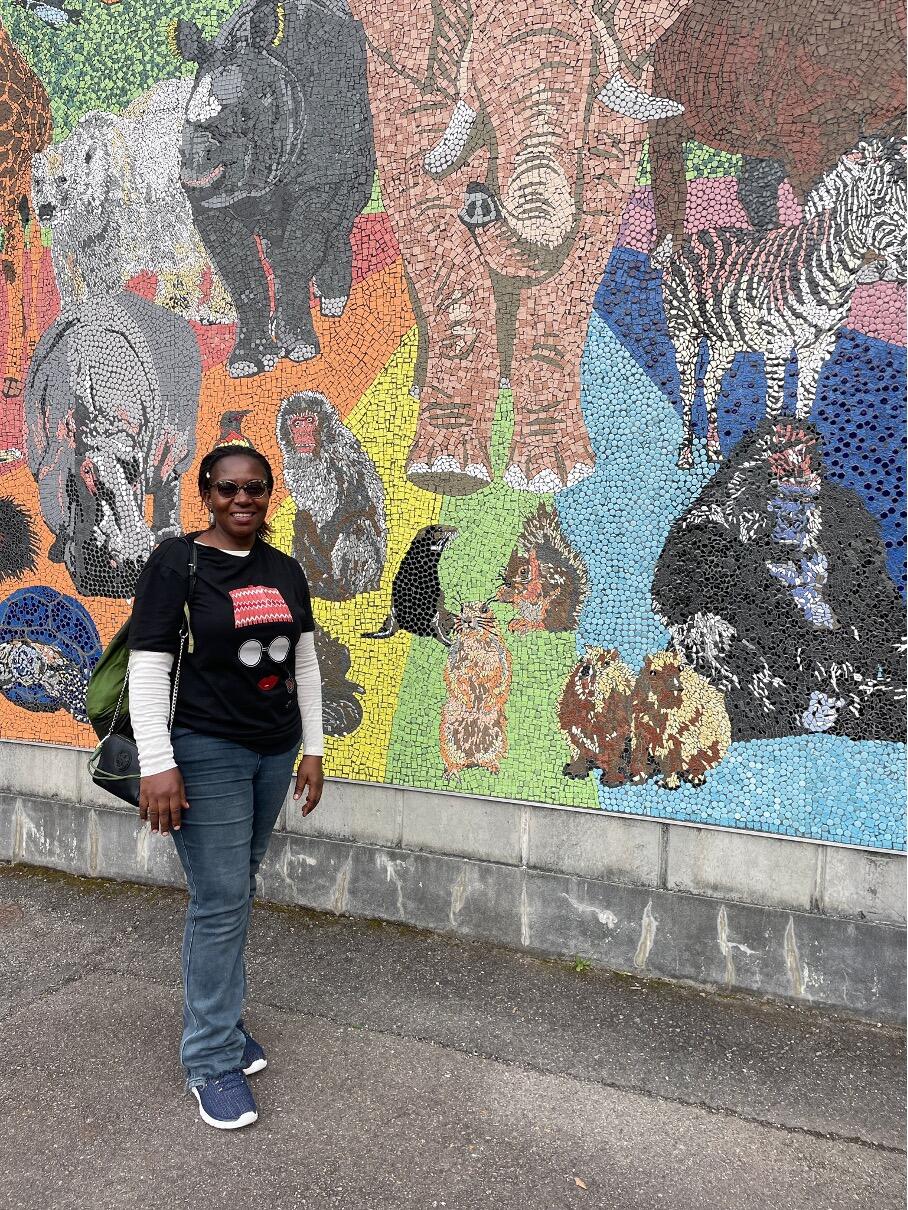
On 8 May 2026, I visited the Higashiyama Zoo and Botanical Garden, located in the Chikusa-ku district of Nagoya. I was particularly impressed by this vast zoo and botanical garden situated right in the heart of the city, as well as by the great diversity of animal and plant species.
The zoo had a wide variety of animals from different continents: Africa, Asia, Americas and the European. They are housed in habitats carefully designed to replicate their natural environments. The quality of these reconstructions is remarkable and accurately reflects the specific characteristics of their regions of origin. and reflects the work of passionate and highly professional people. I had the pleasure of seeing several animals I had never seen before, including penguins, wolves, American bison, zebras, Asian elephants, kangaroos, tigers, and many other species. The Zoo also has a very large aquarium.
The botanical garden is just as impressive. It is beautifully laid out and features huge greenhouses housing a rich variety of plants. Highlights include an avenue of cherry trees, a camellia garden, a rose garden, fields of flowers and several other landscaped areas, all bursting with color and a delight to explore.
The days of 9 and 10 May were devoted to the workshop itself. I took part in the various in-room sessions, which included presentations in English and Japanese.
Several presentations particularly caught my attention, especially those on policy management in Africa; the evolution of civil society and NGOs, and their contribution to development within the context of relations between Africa and Asia. Other presentations addressed the costs of public policy in Africa and the involvement of young people, ranging from protests and activism to low levels of political engagement. I also found the presentations on the development of renewable energy and the expansion of cocoa monocultures and their impact on the dietary habits of indigenous peoples particularly interesting.
I also had the pleasure of meeting several researchers working on key issues relating to Africa, and more specifically to Cameroon. I was able to meet researchers with whom we had previously collaborated on projects carried out in Cameroon. I was particularly impressed by the large number of Japanese researchers conducting studies in Africa. I believe that the results of this work make a significant contribution to the sustainable development of the African continent.
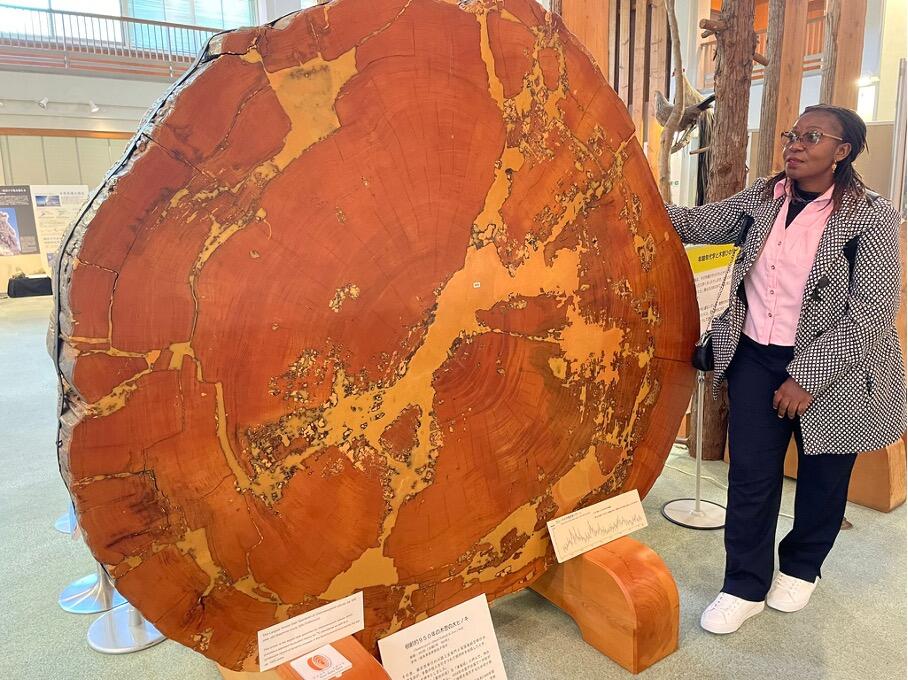
As an enthusiast of museography and curator of the Millennium Ecological Museum in Yaoundé, Cameroon, I also took advantage of a few spare moments to visit the University of Nagoya Museum.
This museum displays a wide variety of specimens and materials, many of which stem from research conducted by the university. The collections on display are of remarkable scientific and heritage significance. They include meteorites, various rocks and minerals, ancient pottery, and an impressive blue whale skeleton. The museum also exhibits plant specimens dating from the Carboniferous period, as well as petrified wood, some of whose fully silicified trunks have given rise to red and white quartz. Among the most striking collections are also Kiso cypress trees aged approximately 950 years and 270 years respectively.
This visit was particularly enriching for me, both scientifically and in terms of museum presentation.